

A sausage tying machine may perform well during a short demonstration but behave differently after repeated wet cleaning. Water, detergent, casing residue, thread fragments, and frequent sanitation can affect sensors, electrical connections, moving parts, and hidden surfaces. For meat processors, washdown design should therefore be checked before purchase. Buyers should look beyond broad claims such as “stainless steel” or “waterproof” and examine how the machine is cleaned, how sensitive components are protected, whether water drains properly, and how easily operators can inspect sanitation-critical areas.
Production speed matters, but daily cleaning also affects uptime. A machine that is difficult to sanitize may require more labor, longer shutdowns, or more maintenance even if its rated output is high.
During production, electrical cabinets and controls usually operate in predictable conditions. Cleaning exposes the machine to water from different directions. Spray may reach switches, cable entries, sensors, covers, bearings, or ventilation openings.
When comparing sausage tying machines, buyers should ask three practical questions: Which areas can be washed directly? Which require controlled cleaning? Which components must be protected from direct spray?
Clear answers matter. If sanitation instructions are vague, operators may either under-clean the machine or expose sensitive components to more water than the design allows.
If material gets caught on guides, the tying or sensing process can be hindered. Moisture on or around a connector can cause false positives that can be very challenging to troubleshoot once the machine has been dried.
When it comes to plants operating several shifts if cleaning time and restart up time is a concern it may be worth sacrificing machine speed to gain consistency.
Electrical protection deserves close attention because moisture-related faults can stop an otherwise mechanically sound line. Buyers should inspect the complete electrical layout rather than relying on a general “waterproof” description.
Potential entry points include cabinet doors, cable glands, push buttons, operator panels, sensor connectors, motor connections, junction points, and ventilation openings.
When reviewing an automatic sausage tying machine, buyers should ask the supplier to identify which electrical areas can be exposed to normal cleaning and which need additional protection.
A useful inspection method is to view the machine from the sanitation operator's position. Components that appear protected from the production side may be directly exposed during cleaning.
If an IP rating is required, ask for the documented rating and confirm exactly which enclosure or component it applies to.
A protected electrical cabinet does not mean the complete machine has the same protection level. Sensors, connectors, controls, motors, and ventilation areas may all have different requirements.
Procurement specifications should therefore avoid general wording such as “the whole machine is waterproof” unless the supplier can support that claim.
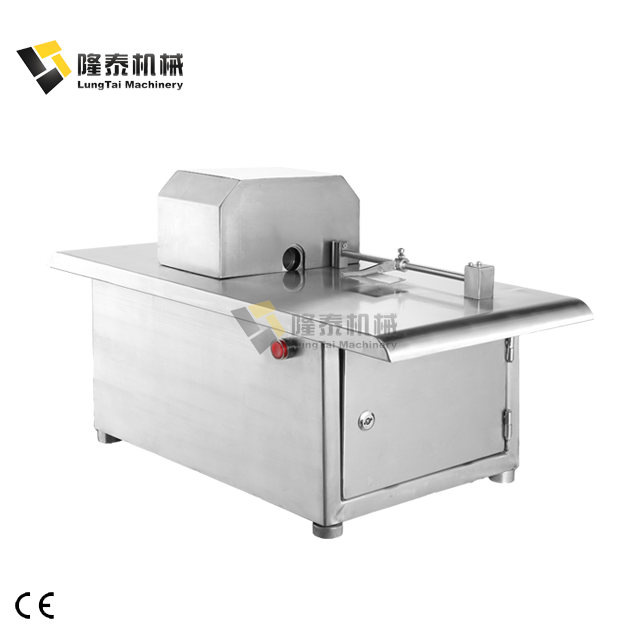
Electrical protection is only part of washdown design. Mechanical layout also determines how quickly operators can remove residue and inspect the machine.
Buyers should evaluate the tying area, path of threads, product guides, guards, conveyors, and transfer points. Avoidances of narrow gaps, overlaps, ledges, and inaccessible covers also contribute to reduced cleaning time.
The main concern cannot be only about the possibility of removing parts but also about how often it will be needed and how much time it will take to reinstall them correctly.
For plants comparing different automation levels, cleaning effort should be considered together with production capacity. A semi-automatic sausage tying machine may have a different sanitation routine from a more automated system, so buyers should compare actual operating requirements rather than machine size alone.
Standing water can remain on horizontal surfaces, around fasteners, under covers, or inside recessed areas. These locations make inspection more difficult and can extend drying time before restart.
If possible, inspect the machine shortly after cleaning. A dry demonstration machine may hide water-retention points that become obvious immediately after sanitation.
Sealing every electrical component may sound ideal, but electronics also generate heat. Machine design therefore has to manage both moisture exposure and operating temperature.
Controllers, drives, and power supplies produce heat during operation. Buyers should ask how the electrical system manages temperature and whether cooling or ventilation areas need special protection during cleaning.
Sanitation teams should know exactly where these areas are located. Otherwise, water may be directed toward an opening designed for heat management rather than washdown exposure.
Cleaning becomes more complicated when filling, tying, conveying, or cutting equipment is installed close together. Water sprayed at one machine may reach another from the side or rear, while tight spacing can restrict access.
Processors planning integrated systems should consider the practical issues involved in linking vacuum fillers to automatic tying machines before installation.
Enough space should remain for sanitation, inspection, and maintenance—not only for product flow. The engineering team should also consider where water will travel when surrounding machines are cleaned.
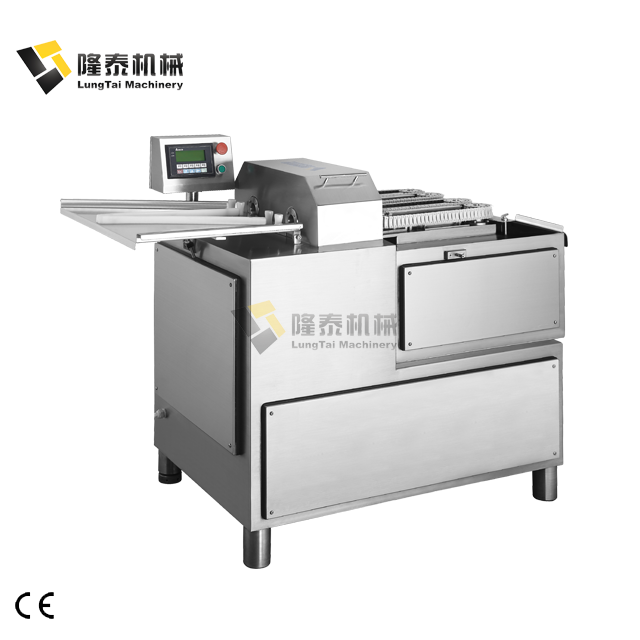
A useful supplier evaluation turns general sanitation concerns into specific checks. Before approval, buyers should review electrical protection, cleaning access, drainage, production compatibility, and documentation together.
Evaluation Area | What Buyers Should Verify |
Electrical enclosure | Seals, doors, cable entries, and permitted cleaning conditions |
Sensors and controls | Location, connector protection, and exposure to spray |
Cleaning access | Access to tying, guiding, and transfer areas |
Drainage | Areas where water may remain after cleaning |
Disassembly | Parts requiring routine removal and reassembly |
Ventilation | How electrical heat is managed |
Documentation | Cleaning instructions and applicable protection ratings |
Maintenance | Inspection points and troubleshooting access |
Compatibility | Casing, diameter, portion requirements, and line speed |
If washdown conditions are important, a production demonstration should include the manufacturer's recommended cleaning procedure and a restart test.
After cleaning, inspect for standing water, trapped residue, moisture near electrical connections, loose connectors, difficult-to-clean surfaces, and incorrectly reassembled covers. Then run the machine again.
The purpose is not to expose equipment to water beyond its stated limits. The goal is to see whether the recommended cleaning procedure fits the factory's real routine.
Washdown design should not replace normal equipment selection criteria either. Buyers still need to review casing type, sausage diameter, portion length, required capacity, thread requirements, factory layout, utilities, and compatibility with surrounding equipment.
Tying quality also deserves attention. Plants experiencing loose knots, casing damage, or inconsistent appearance can review the signs of incorrect sausage tying string tension when developing trial and inspection procedures.
LungTai Machinery (Jiaxing) Co., Ltd. focuses on machinery used across different stages of sausage processing. When asking buyers to consider tying equipment, negotiations should begin with actual plant characteristics, such as casing type, required throughput, sanitation method, space available, related equipment, downstream processing, and maintenance capability. This information helps in determining whether the offered equipment is suitable for the intended purpose and not just based on a theoretical speed.
Washdown design should be a consideration before buying a sausage tying machine. Buyers should understand how electrical panels, sensors, cable entries, ventilation apertures, drain channels and other tying mechanisms will function under the cleaning process. Meanwhile, accessibility to parts during cleaning and restart after cleaning may be more important than speed. By addressing these factors during vendor negotiations and testing, processors can avoid buyer's remorse and reduce future maintenance costs by selecting machines that are best suited to the demands of their particular processing environment.
Not always. Cleaning limits depend on the machine design and the protection of its electrical and mechanical components. Buyers should follow the manufacturer's sanitation instructions rather than assume all stainless-steel equipment can tolerate direct high-pressure washing.
No. Stainless steel improves corrosion resistance and cleanability, but sensors, connectors, controls, motors, seals, and ventilation areas may have different water-protection requirements.
Check for standing water, trapped residue, moisture near electrical connections, damaged seals, loose connectors, blocked drainage areas, and components that may have been reinstalled incorrectly.
Electrical components generate heat during production. Buyers should understand how heat is managed and whether cooling or ventilation areas require protection during cleaning.
Provide casing type, sausage diameter, portion length, target output, existing filling equipment, plant layout, utilities, operating schedule, cleaning method, and any specific electrical-protection requirements.
Do you need more
information?
You are welcome to contact us for further information about our company or products by filling in the form below.
Email: sales@lungtai.com
