

On a busy production day, your dual-automatic sausage tying machine should pump out clean, consistent links. You shouldn't have to hover over every twist. Yet when string tension goes off, problems pop up fast. You get burst casings, uneven weights, or links that fall apart in the smokehouse. Those issues chew up output and send good product straight to the scrap bin.
Catching bad tension early saves real money. Here are five clear signs you can spot with your own eyes. They show your machine's string tension needs work. I'll also give you straightforward ways to fix it. No need to call a tech every single time.
You hear a soft pop. Or you notice little splits right where the twist hits. Collagen or natural casings crack open because the string yanks too hard during the tie cycle.
What it looks like on the floor: A sudden spray of meat mix or tiny tears that get bigger in the cooker. One bad run can waste 200 to 300 kg of product.
Quick fix: Ease back the tension knob or servo setting by one or two clicks. Run a short test of 50 links. Watch the twist closely. It should feel snug but not mash the casing flat. With natural casings, leave a tiny bit more slack. They stretch more when heat hits them.
Sometimes the ties look fine at first. But the sausages come apart when you grab a chain. Or they separate during tumbling. The string sits too loose, so the twist doesn't hold once the product moves or cooks.
Real-world giveaway: Chains break into two or three pieces when workers hang them on smoke sticks. You see gaps between links that stretch wider after chilling.
How to correct it: Raise the tension in small steps on the control panel. Stop after each change. Twist a few links by hand to check the grip. You want a solid hold that still lets the casing slide just enough. Many guys mark their sweet spot on the dial with a strip of tape. That way the next shift nails it right away.
One link comes out at 12 cm. The next hits 9 cm. Then another jumps to 14 cm. Inconsistent lengths almost always come from tension fighting the portioner or filler.
Why it matters: Weight swings trigger QA rejects. Or you waste time sorting by hand later. Customers spot sloppy packages on the shelf pretty quick.
Adjustment tip: Slow the machine down a notch. Watch how the string feeds. If it jerks or pauses, loosen tension until the flow evens out. Then bring the speed back up once the links settle. On dual-head machines, check both sides separately. One head can drift while the other stays steady.
You see deep grooves or shiny compressed lines around each sausage at the tie point. The string crushes the casing too much and leaves marks that show up after peeling or packaging.
On the line: Workers catch it during visual checks. Or photos from packing show obvious rings that make the product look cheap.
Fix: Lower the tension. Test it with your usual casing size—most run fine in the 16 to 32 mm range. Keep the machine at normal speed for a minute. Then stop and feel the links. The tie should sit even without digging in. Natural casings bruise easier than collagen, so recheck whenever you switch types.
The thread snaps in the middle of a run. Or the machine stops with string tangled around the tying head. Too much tension pushes the thread past its limit, especially at 800 to 1,000 links per minute.
What you’ll see: Loose thread ends flapping around. Or the operator clears the head every 10 or 15 minutes instead of every couple hours.
Practical solution: Drop the tension first. Then inspect the thread path for rough spots or crooked guides. Switch to good, easy-to-get tying string that isn't tied to one supplier. Clean the head really well—old meat buildup adds drag that feels just like tension trouble. Once it's clear, raise tension again only until the breaks stop.
Here’s a quick reference table for the most common tension headaches:
Sign | Likely Cause | First Adjustment | Test Batch Size |
Bursting at ties | Tension too high | Decrease by 1–2 steps | 50 links |
Links slipping apart | Tension too low | Increase gradually | 100 links |
Uneven lengths | Tension fighting feed | Smooth feed first | Full chain |
Deep string marks | Tension too high | Reduce + check casing | 30 links |
String snapping/jams | Tension too high + drag | Lower + clean path | 200 links |
Don't just guess. Test things step by step.
First, warm up the machine for about 10 minutes on a dummy run. Everything needs to reach normal operating temperature. Cold metal acts different.
Next, run a baseline batch at your usual settings. Measure 10 random links for length, weight, and how they look.
Make only small changes. Big swings usually create new headaches.
Watch both heads on a dual-automatic model. They don't always shift together.
Finally, write down what works. Note the exact setting, casing type, emulsion temperature, and speed. The next shift will appreciate it.
Most experienced operators say the sweet spot gives a firm tie during handling. But it still releases clean when you pull the string. No scissors needed for collagen or natural casings.
Tension problems rarely show up out of nowhere. They often follow a casing switch, a new emulsion batch that's wetter or drier than usual, or someone bumping the panel during cleanup. Put together a quick daily checklist. Glance at the first 20 links every morning. Feel the twist by hand. Log any drift you notice.
When tension stays dialed in, your machine runs at steady speeds without drama. Waste drops. And the whole line moves smoother. That's the real difference between just getting by and actually making solid profit on big runs.
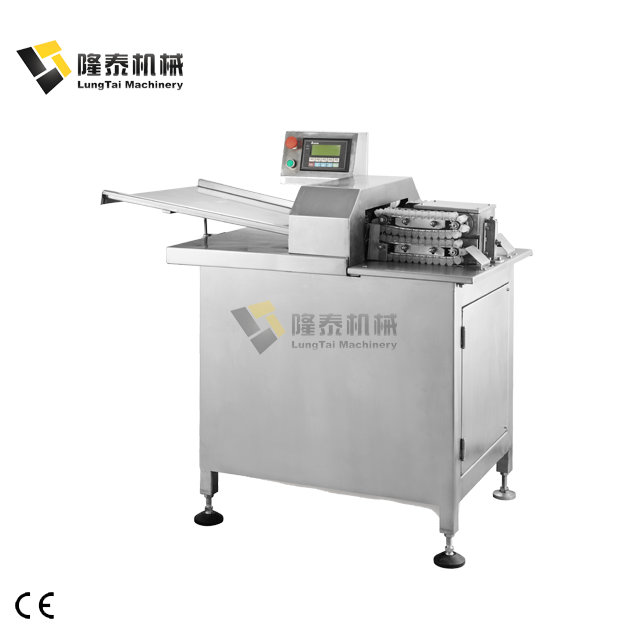
LungTai Machinery started back in 2004. They used to go by Jiaxing Wellermini Machinery. Pretty early on, they brought out one of the first link-pressing vacuum sausage fillers and tying machines. That helped push small-diameter sausage production forward in a real way.
These days they build a full range of food processing gear. It covers everything from pre-treatment tools like natural casing spoolers and dicers, through filling and tying steps, all the way to post-processing equipment such as peelers and material handling items like lifters and stainless Eurobins. Their dual-automatic sausage tying machines, including the WZC200DIII model, focus on high-speed portioning. They keep operation simple and maintenance straightforward. You can use widely available tying thread with them. The whole lineup aims at plants that want dependable machines without getting locked into fancy supplies or special service calls.
Getting string tension right on your dual-automatic sausage tying machine doesn't grab headlines. But it quietly decides whether your shift runs clean or turns into a mess of rework and lost time. Keep an eye out for those five visual cues. Make small tweaks when you need to. And keep notes on what works with your casings and recipes. Stick with that habit and you'll see fewer bursts, better weight control, and way less stress at the end of the line.
Check the first chain that comes off after startup. If you spot bursting, slipping links, or uneven sizes, stop and adjust tension before you run a full batch. Fixing it early usually takes less than five minutes.
It sure can. Loose tension makes short or long links that mess up target weights. Tight tension squeezes out emulsion and drops the final packaged weight. Regular spot checks help you stay in spec without sorting everything by hand.
Run a quick test of 50 to 100 links after each small tweak. Measure length and weight on a few samples. Then feel the twist strength yourself. Once the chain looks and handles right, ramp back up to full speed.
It definitely does. Natural casings usually need a little extra slack because they stretch and shrink in the cooker. Collagen can take a firmer tie. Always double-check tension when you change suppliers or diameters in the 16 to 32 mm range.
Do it at least once per shift. Or any time you notice string drag or small jams. Old emulsion buildup adds resistance that feels exactly like high tension. A fast wipe-down often clears up what seems like a settings issue.
Do you need more
information?
You are welcome to contact us for further information about our company or products by filling in the form below.
Email: sales@lungtai.com
