

Cellulose casing peeling becomes more consistent when the product reaches the peeler within a controlled process window rather than as a broadly defined “finished sausage.” Cooling history, surface moisture, and sausage diameter all affect casing separation and product movement through the peeling zone. For a purchasing manager or production engineer, the key question is not whether a machine can peel cellulose casing in general, but whether it can do so with the factory’s normal variation. That distinction matters when a supplier trial uses carefully prepared samples but the plant routinely sees broader variation between batches and shifts.
Cooling is an upstream step, but it directly affects the sausage entering peeling. A trial can look stable when every sample is prepared under one ideal condition and still fail to represent production if the plant routinely sends products with wider variation.
The project materials do not establish one universal peeling temperature, so buyers should define the range and cooling method actually used in production. Cooling affects firmness and surface condition. When those properties change, the sausage may travel differently through the machine and the casing may separate with different resistance.
If operators need frequent adjustment between batches, upstream product condition should be checked before the peeler is judged unstable.
Plants reviewing sausage post-processing equipment should record how samples were cooled, held, and transferred before peeling. This clarifies the product the machine will actually receive.
Surface moisture can shift during cooling, holding, and transfer. A short demonstration with uniform samples may therefore differ from normal production.
When peeling quality changes, operators often adjust guides or feed settings first. That can hide the real cause if the product condition has already shifted.
A better trial compares casing residue, surface marks, and feeding stability with the condition of the sausage entering the peeler. Moisture can change friction and handling, but the useful procurement question is whether the equipment remains stable within the moisture variation that occurs in the buyer’s process.
Teams should compare products from different points in the batch and after realistic holding times. If peeling quality changes with those conditions, the trial record should capture that relationship rather than treating every defect as a machine fault.
Diameter affects how the product is guided and presented to the casing-removal mechanism. Buyers should therefore define the real caliber range before a supplier recommends or tests a peeling solution.
A plant that runs several sizes should not approve equipment after testing only the easiest or highest-volume sausage. The regular minimum, main production, and maximum diameters should be represented.
Trial condition | What to record | Procurement value |
Smallest regular diameter | Peeling completeness, feeding stability | Tests the lower operating range |
Main production diameter | Surface condition, stable output | Represents normal production |
Largest regular diameter | Residue, guide contact, restart behavior | Tests the upper operating range |
Typical changeover | Adjustment steps, repeatability | Shows whether switching sizes is practical |
This matters because a general statement that equipment supports several diameters does not prove stable performance across the buyer’s real product mix.
If the factory changes sizes frequently, the trial should show what must be adjusted and whether acceptable peeling returns quickly. For short runs, changeover repeatability can matter as much as peak output because unstable transitions create waste and lost time.
A useful peeling trial should create records that procurement, production, and quality teams can review after the demonstration. The goal is to determine whether acceptable quality can be maintained under representative conditions, not simply whether the equipment can produce a few clean samples.
The plant should define acceptable casing residue and surface appearance before testing starts. Record peeling completeness, visible residue, product damage, feeding interruptions, restart behavior, and usable output.
Samples should be checked at the beginning, middle, and end of the trial. When results change, note whether cooling, moisture, diameter, or another condition also changed.
Factories evaluating sausage processing machinery should also consider cleaning access, operator space, and product transfer. A peeler may perform well by itself but still be difficult to integrate if the surrounding line changes how sausages enter or leave the machine.
Supplier comparison is only meaningful when vendors receive the same application information and work against similar acceptance criteria. Otherwise, one machine may be tested under favorable sample conditions while another is asked to handle the full production range.
A technical request should include casing type, normal diameter range, cooling method, expected product condition, target output, upstream and downstream equipment, available utilities, sanitation routine, and expected changeover frequency.
Buyers should also note what suppliers ask in return. Questions about product preparation, variation, and downstream handling usually indicate that the application is being evaluated as a process rather than as an isolated machine.
During each trial, record when residue increases, feeding becomes unstable, or surface damage appears, then note what restores acceptable performance. This helps the buyer understand the operating window.
A stronger purchasing decision compares which conditions each system handled well, where performance deteriorated, and how easily normal production was restored.
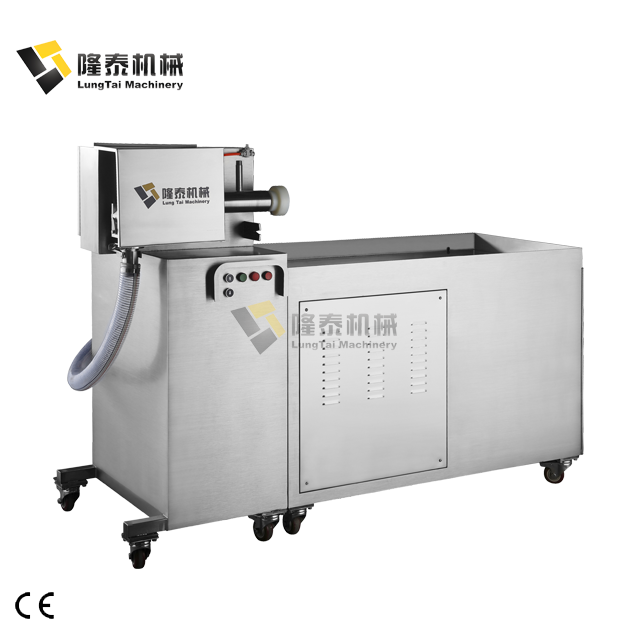
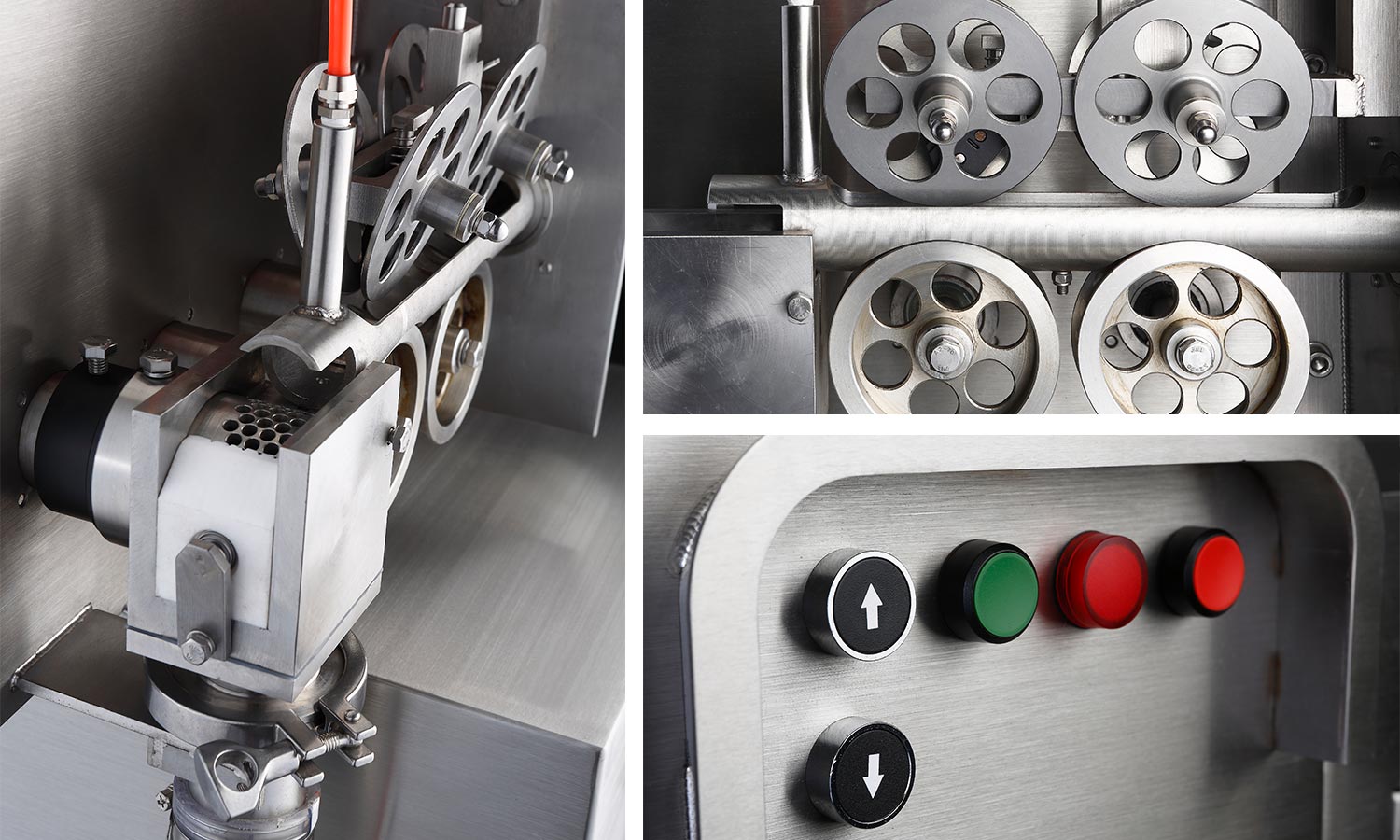
LungTai Machinery (Jiaxing) Co., Ltd. manufactures equipment for sausage processing and post-processing. For a cellulose-casing peeling project, buyers can use the Sausage Peeler WBP01 page as a product reference while discussing casing type, diameter range, cooling method, utilities, sanitation routine, and line layout. That discussion helps translate production variation into test conditions before approval rather than rely on an ideal sample. Buyers can also use the technical contact page to confirm sample preparation, trial scope, installation conditions, and documentation needs before evaluation.
Cooling, moisture, and diameter should be treated as equipment-selection variables because they influence the condition of the sausage presented to the peeling process. Buyers can reduce uncertainty by defining normal production ranges, testing representative products, recording failure conditions, and comparing suppliers against the same acceptance criteria. Before approval, the next step is to confirm the practical operating window with real product trials and verify that expected variation does not require excessive adjustment.
Cooling affects product firmness and surface condition before peeling. If trial samples are prepared more consistently than normal production, the result may overstate repeatability. Buyers should document the cooling method, holding time, and realistic condition used during evaluation.
Moisture can influence casing release and product handling, but it should not be treated as the only possible cause. Buyers should compare moisture with cooling, diameter, feeding stability, and other variables before changing machine settings.
Not every SKU is necessary, but the regular minimum, main production, and maximum diameters should be represented when they share the same equipment. This helps buyers judge peeling stability and changeover practicality.
Record casing type, product condition, diameter, peeling completeness, residue, surface damage, interruptions, restart behavior, and usable output. Also note any process change that occurred when performance improved or deteriorated.
Provide casing type, diameter range, cooling method, expected product condition, target output, line layout, utilities, sanitation routine, and changeover needs. Clear application data allows the supplier to test against real operating conditions.
Do you need more
information?
You are welcome to contact us for further information about our company or products by filling in the form below.
Email: sales@lungtai.com
