

A sanitation SOP for an industrial sausage peeler should define how the machine is shut down, cleaned, inspected, reassembled, and released for production. The challenge is not writing a generic cleaning list; it is turning the plant’s hygiene requirements into a repeatable routine that removes casing residue without exposing sensitive components to unsuitable washdown or creating unnecessary downtime. A useful SOP starts with the real product path, residue pattern, cleaning limits, and restart conditions, then assigns responsibilities so sanitation, maintenance, and production teams work from the same operating standard. That makes the procedure easier to audit, teach, and refine after commissioning.
Before selecting a wash sequence, the team needs to know what remains in the equipment, which guards or covers must be opened, and where the cleaning boundary ends.
The SOP should state when feeding stops, how remaining sausages and loose casing are cleared, and when the machine is ready for sanitation. Any isolation or safety step must follow the plant’s approved rules and equipment documentation.
Residue can remain around guides, beneath covers, and near transfer points even when the visible product path looks clear. Plants planning a wider line should also consider how sausage post-processing equipment affects operator access, drainage, and exposure of neighboring machines during washdown.
Casing behavior, surface moisture, product temperature, and preparation method influence what operators find after a run. The SOP does not need a separate version for every SKU, but it should identify conditions that require extra inspection. A change in diameter or casing behavior may be enough to move residue from one location to another.
Once the machine is safe, cleaning should remove residue without driving it into guarded or difficult-to-reach areas.
Loose sausage pieces and casing strips should be removed from accessible areas before wet cleaning begins. The infeed path, casing-opening zone, separation area, guides, and discharge points can then be cleaned according to the manufacturer’s instructions and the plant’s approved sanitation program.
If the same location repeatedly traps fragments, that point belongs in the routine inspection rather than in an operator’s memory.
A removable cover does not automatically make the area behind it easy to clean. The team should confirm which parts are opened every sanitation cycle, which are reserved for scheduled maintenance, whether tools are required, and how correct reassembly is checked.
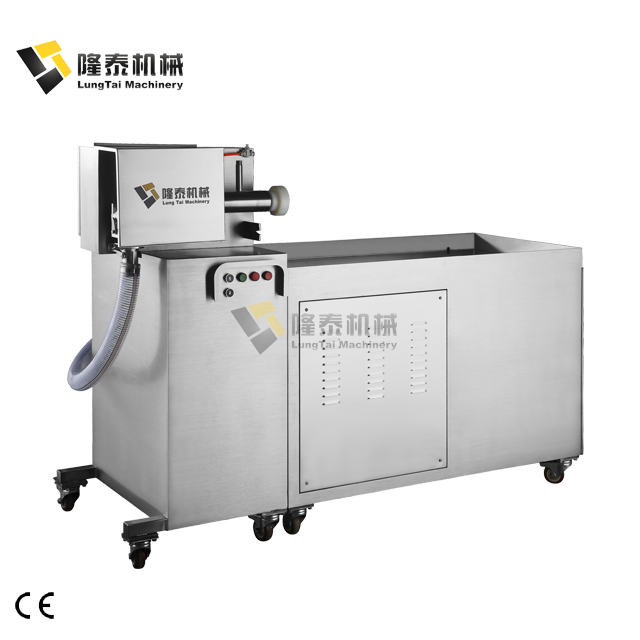
Wet sanitation exposes the equipment to water from directions that may never occur during production, so the SOP should divide the machine into cleaning zones.
Exact detergent, pressure, temperature, and contact-time limits should come from the plant’s sanitation program and documented equipment guidance.
Area | Main concern | SOP decision |
Product-contact path | Meat and casing residue | Define access, cleaning, inspection, reassembly |
Splash zones | Residue and retained moisture | Confirm drainage and permitted rinse method |
Sensors / electrical areas | Water ingress | Define protected cleaning boundaries |
Controls / connectors | Moisture around interfaces | Confirm wipe or controlled-cleaning method |
Frame / covers | Residue on ledges or joints | Check cleanability and drainage |
The table should be converted into machine-specific instructions. Stainless construction can support cleanability, but it does not establish the washdown tolerance of sensors, seals, motors, or connectors.
Rinsing is not the end of sanitation. The machine should return to production only after cleaned areas are inspected and removed parts are correctly installed.
The inspector should follow the same route as the sausage: infeed, peeling zone, guides, guards, and discharge. Visible casing fragments, standing water, a loose guard, a misaligned guide, or an incorrectly seated component should stop release until corrected.
If peeling quality changes after cleaning, the cause may be reassembly or retained moisture, but preparation can also be responsible. Plants using steam should separate sanitation findings from unstable steam or soaking conditions rather than changing several variables at once.
After inspection, run the machine through the approved startup procedure and observe the first product for stable feeding, casing removal, unusual contact, or unexpected noise. If the result is abnormal, stop and identify what changed before making adjustments. This helps distinguish a sanitation issue from a process condition that existed before shutdown.
The document has to work across shifts. A short, usable record is more valuable than a detailed form that operators stop completing after a few days.
The record should identify the product run, cleaning date, operator, inspection result, abnormal findings, corrective action, and release to production.
A practical release check can stay brief:
l Product and loose casing have been cleared.
l Required areas have been cleaned and inspected.
l Removed parts and guards are correctly reinstalled.
l Restart produces normal feeding and peeling.
When the same problem appears repeatedly, it should be added to the SOP or maintenance plan. Repeated casing build-up, trapped water, or difficult reassembly is useful equipment information, not simply an operator error.
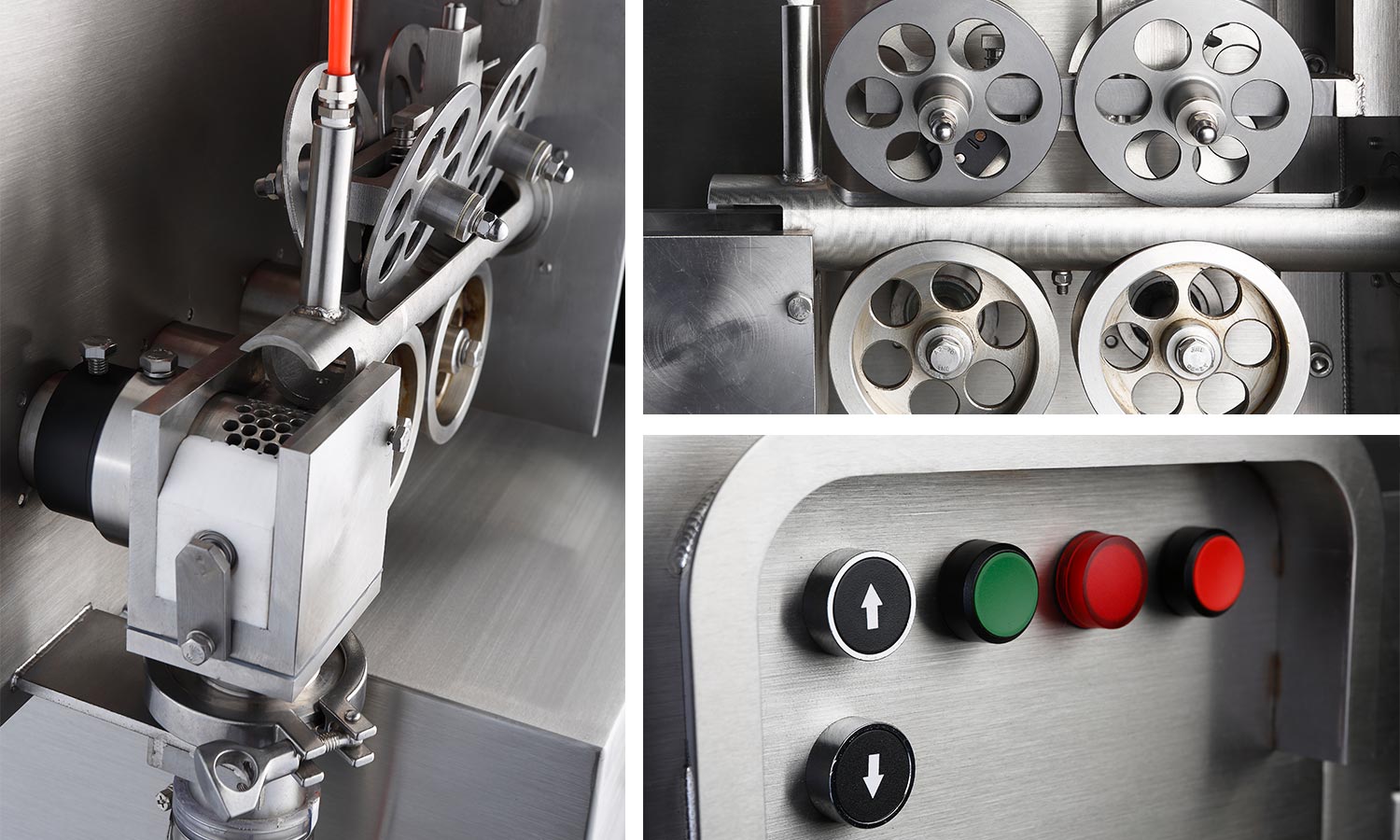
LungTai Machinery (Jiaxing) Co., Ltd. manufactures food-processing equipment used from preparation through sausage post-processing. For sanitation planning, buyers can review the company’s sausage peeler configuration and discuss casing type, product dimensions, preparation method, factory layout, utilities, cleaning routine, and downstream handling before commissioning. Those details help clarify cleaning access, protected areas, maintenance needs, and the limits that should appear in the final SOP. When a plant needs machine-specific clarification before approval, its engineering or procurement team can use the company’s technical contact channel to confirm requirements against the intended operating environment and align the written procedure with the machine actually being installed.
A useful sausage peeler sanitation SOP connects hygiene requirements with the way the machine is actually opened, cleaned, inspected, and restarted. The main risks are hidden casing residue, unsuitable washdown around sensitive components, incomplete reassembly, and process changes mistaken for cleaning faults. Before approving the procedure, the plant should confirm cleaning boundaries, access points, inspection criteria, and restart checks with the people who will operate and maintain the equipment every day.
Cleaning frequency should follow the plant’s sanitation program, production schedule, product changeovers, and equipment instructions. The SOP should also define when unusual residue, a casing change, or an interrupted run requires an additional inspection instead of waiting for the next routine cleaning.
No. Product-contact areas, splash zones, sensors, controls, connectors, and external surfaces may have different exposure limits. The SOP should identify where normal rinsing is permitted and where controlled cleaning is required according to documented equipment guidance.
Loose casing can move easily once water is applied. Removing it first makes residue locations visible and reduces the chance of washing fragments into gaps, guarded areas, or drainage points where they become harder to inspect and remove.
Confirm that the product path is free of residue, removable parts and guards are correctly installed, no abnormal water remains, and a controlled restart produces stable feeding and casing removal without unusual contact, noise, or new accumulation.
Ask how the peeling zone is accessed, which parts require routine removal, where direct washdown is restricted, how water drains, what must be inspected before restart, and which cleaning or maintenance instructions are supplied with the equipment.
Do you need more
information?
You are welcome to contact us for further information about our company or products by filling in the form below.
Email: sales@lungtai.com
