

Clipping Which Closure Method Fits Your Line.webp
Choosing a closure method affects product appearance, casing compatibility, consumable use, changeover routines, downstream handling, and maintenance. For processors comparing a sausage tying knotting machine with a metal clipping system, the right choice depends on the product rather than on a universal “better” technology. String tying can support traditional-looking links and avoids leaving a metal clip on the finished sausage, while clipping systems are widely used for secure closure across many casing formats and product sizes. The practical task is to match the closure method to your sausage, casing, production rate, packaging format, and operating priorities.
Both methods close or separate filled casing, but they use different consumables and mechanical actions. Understanding that difference helps buyers avoid comparing equipment only by rated speed.
A tying or knotting machine uses thread or yarn to bind the casing at defined intervals. Depending on the design, the tying cycle may also support portioning and repeated knots for linked products. This approach is relevant when processors want a familiar string-tied appearance or prefer a closure without a metal clip. Commercial tying systems are available for natural, collagen, and artificial casings, so compatibility should be confirmed against the actual casing specification.
A clipping machine gathers or separates the casing at the closure point and applies a formed metal clip with controlled pressure. Automatic double-clippers can synchronize with filling equipment and may include product recipe settings, clip monitoring, casing-break monitoring, and automated adjustments. The method is used for products ranging from sausages to larger chubs and cold cuts, although usable casing and diameter ranges vary by machine.
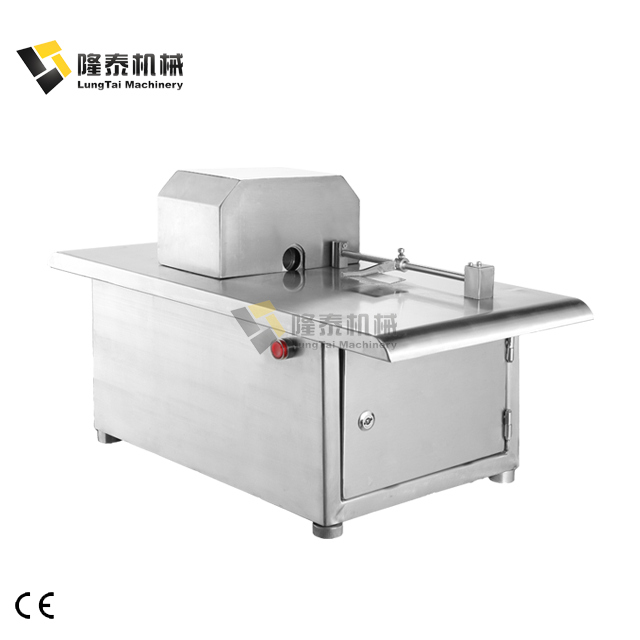
Appearance and portion consistency are related but not identical. A closure system creates a particular end finish, while final portion accuracy also depends on filling control, casing behavior, formulation, and line synchronization.
String tying is worth considering when the visual character of the sausage is part of the product specification. Tied links can create a traditional or handmade-style presentation even when the operation is automated. For specialty sausages or natural-casing products where the closure remains visible, this can matter commercially. Buyers should check knot security, tension adjustment, thread quality, and whether finished links will remain connected or be separated later.
Clipping is often chosen when processors need a defined mechanical closure across varied casing formats. Modern systems can combine filling synchronization, controlled clip pressure, separation, cutting between closures, and optional loops for hanging products. These functions can be useful for larger diameters, heavy hung products, or integrated filling and packaging lines. Buyers should still evaluate the actual product family rather than assuming one clipper fits every application.
Purchase price is only one part of the decision. Closure consumables, utilities, maintenance, setup time, spare parts, and production interruptions all influence total cost of ownership.
A sausage tying knotting machine requires suitable thread or yarn, while a clipping machine requires clips matched to the machine, casing, and closure load. Buyers should identify annual consumption, minimum order quantities, local availability, storage requirements, and approved suppliers. A low consumable price is less useful if the factory depends on a proprietary item with long replenishment lead times. Common consumables still need consistent dimensions and strength for stable operation. LungTai’s WZC200D, for example, is designed around readily available tying thread rather than a single dedicated thread supplier.
Changeovers deserve close attention. If operators frequently switch casing diameter, sausage length, recipe, or packaging format, setup time can reduce usable throughput. Cleaning access, lubrication, wear parts, compressed-air demand, electrical requirements, and troubleshooting time should also be compared. Advanced clipper systems may offer recipe management and monitoring, while simpler tying systems may involve fewer closure components. Lower total cost depends on the plant’s production complexity and maintenance capability.
A closure system should be selected around the complete process. The same equipment can perform differently when casing properties, product temperature, diameter, or post-processing requirements change.
Natural, collagen, fibrous, cellulose-derived, and plastic casings behave differently under gathering, tying, clipping, cooking, and handling. Excessive closure force can damage a delicate casing, while insufficient force can allow loosening or leakage. Suppliers should review casing material, nominal diameter, wall characteristics, filling pressure, and product weight before recommending a configuration. A trial with the buyer’s actual casing and product is more useful than a generic demonstration. Both tying and clipping equipment manufacturers specify different compatible casing types and caliber ranges for individual machines.
Map what happens after closure. Will the sausages be cooked as linked chains, hung, peeled, cut, separated, sliced, vacuum packed, or loaded directly into retail packaging? String-tied products may fit lines where a traditional link appearance or later pull-apart separation is desired. Clipped products may suit applications requiring secure ends, loops, large diameters, or tight integration with filling and conveying equipment. The goal is to minimize extra handling before the next production stage.
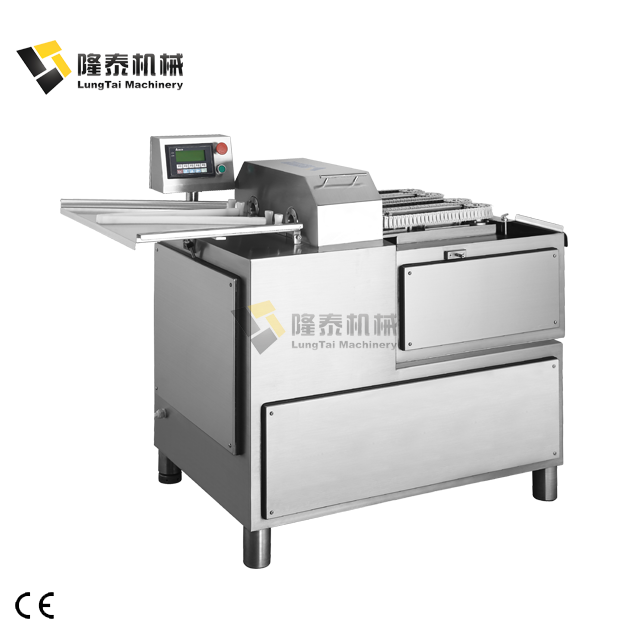
A supplier comparison should move beyond brochure claims. Buyers need enough technical detail to predict whether the machine will remain stable with their actual product mix.
Confirm usable caliber range, portion length range, realistic output for the target product, casing compatibility, thread specification, power supply, machine footprint, and adjustment method. Ask how tying tension is controlled and what changes when casing diameter or product firmness shifts. If the machine connects with a filler, confirm line height, transfer method, layout, and control synchronization. Maximum rated speed should be treated as a reference point, not guaranteed plant output. LungTai’s own buyer guidance likewise recommends evaluating output, sausage size, adjustment, integration, and maintenance together rather than judging a tying machine by speed alone.
Run the intended sausage, casing, thread, diameter, and portion length. Inspect knot consistency, casing damage, link length, product deformation, restart behavior, and stability over repeated cycles. Also review cleaning access, daily inspection points, wear components, spare-parts availability, manuals, training, and technical response procedures. These checks show whether the machine fits the factory’s operating discipline, not merely whether it can produce a good short sample.
LungTai Machinery (Jiaxing) Co., Ltd. manufactures sausage processing equipment that includes semi-automatic and dual-automatic tying machines for different production requirements. Its WZC100D is specified for 8–32 mm calibers and adjustable 30–230 mm portions, while the WZC200D is specified for 16–43 mm calibers with adjustable portion length and output up to 260 portions per minute. The company states that its WZC200D works with natural and collagen casings and uses readily available tying thread. Buyers can use these published parameters as an initial screening reference, then confirm product trials, casing compatibility, line integration, utilities, and maintenance requirements for their own application.
A sausage tying knotting machine and a metal clipping system solve similar closure problems through different process designs. String tying is worth evaluating for traditional presentation, thread-based linking, and selected natural or collagen casing applications, while clipping can be effective for secure closures across broader product formats and larger casing ranges. The purchasing decision should be based on real casing trials, product diameter, downstream handling, consumable supply, changeover time, maintenance access, and whole-line compatibility rather than rated speed alone.
Yes, many tying systems are designed for natural casings, but suitability depends on diameter, casing strength, product firmness, and tension settings. Buyers should test the actual casing and recipe before approving production equipment.
Not necessarily for every product. Both technologies are available in high-output configurations. Real throughput depends on diameter, filling speed, closure cycle, changeovers, casing behavior, and how well upstream and downstream equipment are synchronized.
No. String tying can be suitable for many linked sausages, but large chubs, heavy hung products, specific packaging formats, or high closure-load applications may be better served by an appropriately engineered clipping system.
Compare thread or clip price, consumption per finished unit, supplier availability, minimum order quantities, storage, changeover losses, and the risk of production downtime if the required consumable is temporarily unavailable.
Provide sausage diameter, portion length, casing material, target output, product photos, filler information, available utilities, floor-space limits, and downstream process details. Samples of the actual casing and product specifications are especially useful.
Do you need more
information?
You are welcome to contact us for further information about our company or products by filling in the form below.
Email: sales@lungtai.com
