

Factory expansion can make a profitable sausage line worse if the new machine fixes the wrong bottleneck. A faster filler does little when tying is already saturated; a high-speed cutter simply builds a queue if chilling or packaging cannot keep up. Sausage processing equipment ROI should therefore be calculated from the whole production flow, not from nameplate speed or labor savings alone. Before approving capital expenditure, processors need a baseline for actual throughput, labor hours, giveaway, casing loss, changeover, sanitation time, downtime, utilities, and the contribution earned from additional sellable product.
The useful baseline comes from normal production, including stoppages, sanitation, product changes, and slower-running SKUs. Using theoretical line capacity makes almost every automation project look better than it really is.
Follow a batch from preparation through filling, linking or tying, thermal processing, chilling, peeling or separation, and packaging. Note where operators wait. Look for accumulation tables that are always full, machines that repeatedly stop upstream equipment, and stations that need extra people when volume rises.
The constraint may move during the shift. Manual tying may limit one product, while another runs smoothly until it reaches cooking capacity. After chilling, separation or packaging may become the restriction.
Expansion equipment generates financial value only when the additional capacity can reach finished-goods inventory. Producing more unfinished sausage in front of an existing bottleneck does not improve ROI.
Record direct labor, overtime, rework, casing loss, overweight giveaway, damaged product, sanitation labor, planned maintenance, and unplanned downtime. Utilities also belong here when the proposed equipment changes demand for electricity, water, compressed air, refrigeration, or steam.
Be careful with allocated overhead. If factory rent stays exactly the same after installation, calling part of it an equipment saving distorts the calculation.
A useful baseline asks a harder question: which cash cost disappears, which loss becomes smaller, and which additional production can actually be sold?
Production reports often show attractive percentage improvements that never appear in the income statement. ROI calculations need benefits that can actually be captured.
Start at task level. How many people load casings, monitor the filler, tie links, transfer racks, clean equipment, separate finished sausages, or correct rejects? How much time does each task consume per batch or shift?
Then map the same work after automation.
If two operators are reassigned but the plant still pays the same total labor cost, there is no immediate payroll saving. There may still be value if that reassignment avoids hiring additional people when the factory expands. Reduced overtime can also be counted when historical records show what the plant currently spends.
Do not forget the new machine’s labor. Someone may still need to load it, monitor faults, change tooling, perform sanitation, inspect output, and complete preventive maintenance.
Do not value every additional kilogram at selling price. Use contribution margin instead: incremental revenue minus the meat, casing, seasoning, packaging, freight, and other variable costs required to produce that extra quantity.
Yield is often less dramatic on a presentation slide but more dependable financially. Better portion control may reduce giveaway. More consistent tying can reduce damaged casings. Stable downstream separation can lower rejects and manual correction.
Those gains should come from factory records or product trials rather than assumptions. If the current plant has never measured casing loss or overweight giveaway, measure them before assigning a savings figure.
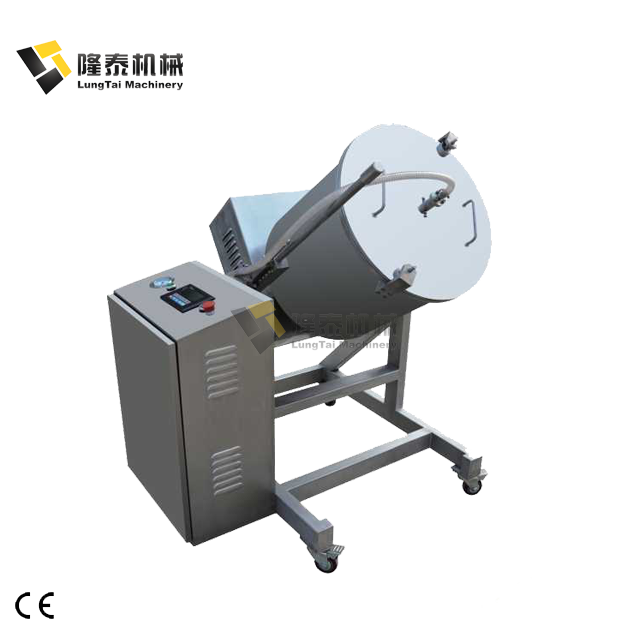
Purchase price is only the beginning. A machine sitting on a pallet creates no return. The relevant investment is what it costs to turn that machine into a working part of the production line.
Include the equipment, tooling, product-specific change parts, freight, rigging, electrical installation, water or steam connections, compressed air, guarding, conveyors, controls integration, and commissioning.
The floor may need drainage changes or structural work. A new smokehouse, filler, tying system, peeler, or downstream machine may require racks, carts, accumulation space, or changes to product flow. Operator and maintenance training can also consume paid production time.
Expansion can increase working capital as well. A faster line may require more meat, casings, packaging materials, and refrigerated inventory to be available at once.
Leaving those costs outside the model shortens the calculated payback on paper but changes nothing about the cash actually spent.
Quite a lot.
A machine may run quickly for six hours and still lose the economic comparison if sanitation adds an hour at every changeover. Ask operators to time disassembly, washing, inspection, reassembly, and restart. In a plant running several recipes or diameters, changeover can matter more than maximum production speed.
Maintenance needs the same treatment. Identify wear parts, inspection intervals, lubrication points, adjustment work, and expected access time. Then find out what happens when a common component fails.
A machine that saves 30 minutes during production but needs several hours to recover from a routine fault may not deliver the annual uptime assumed in the original ROI spreadsheet.
Factory expansion changes line balance. Once one station becomes faster, another operation usually inherits the constraint.
Imagine that filling and tying are upgraded and can now feed considerably more product downstream. If thermal-processing capacity remains fixed, racks simply wait longer before cooking. If chilling is full, the additional cooked product has nowhere to go. If packaging is already operating near its limit, finished sausages accumulate instead of shipping sooner.
That is why capacity needs to be checked stage by stage using the planned SKU mix.
Actual operating time matters here. A nominally fast machine that spends significant time on product changes cannot be treated as though it runs continuously. Buffer capacity, rack movement, cooking cycles, chilling time, downstream labor, and packaging speed belong in the same calculation.
Sausage behavior changes with diameter, casing, recipe, filling consistency, product temperature, and link length. A demonstration using one easy product may hide the losses that appear during normal production.
Run production-intent sausages. Record good finished output—not merely machine cycles. Watch rejects, casing damage, weight variation, operator intervention, restart behavior, and cleaning time.
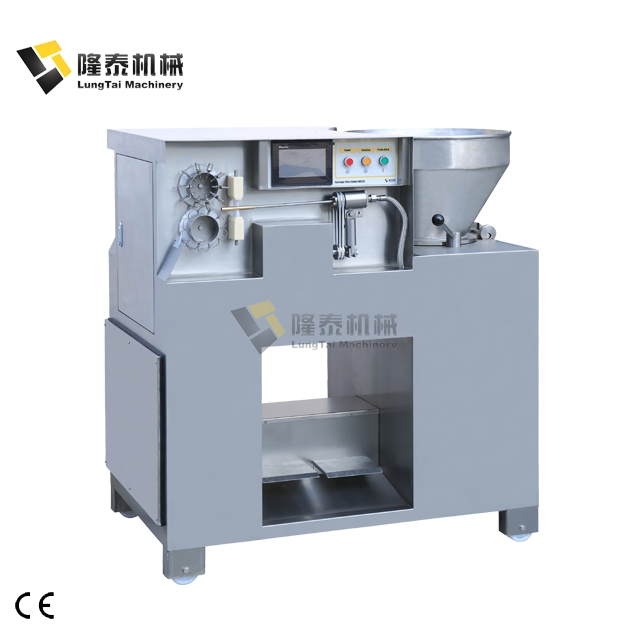
The operating principle must also match the proposed process. For example, a sausage cutting machine used after thermal processing and chilling separates an existing linked chain into individual sausage segments at the twist or neck areas; it should not be evaluated as though it were slicing sausage bodies into portions. LungTai’s own equipment guidance places this cutting step between chilled linked product and downstream packaging.
That distinction matters when estimating both capacity and yield.
Simple payback is useful because plant managers can read it quickly. It becomes dangerous when optimistic sales volume, uptime, or labor savings are buried inside the assumptions.
First determine annual net benefit. Combine captured labor savings, contribution margin from additional sellable production, and verified reductions in waste or rework. Then subtract added maintenance, utilities, consumables, and recurring labor.
Simple payback is total installed investment divided by annual net benefit.
Annual ROI can be expressed as annual net benefit divided by total installed investment. Larger factory-expansion projects may also be reviewed using discounted cash flow, net present value, or internal rate of return because equipment generates benefits over several years.
Keep the spreadsheet traceable. A finance manager should be able to see exactly where every production assumption came from.
Run the numbers again.
Reduce expected demand. Extend the ramp-up period. Assume lower uptime. Increase maintenance expenditure. Capture only part of the projected labor reduction. Then see whether the project still makes sense.
This sensitivity check is especially useful when expansion depends on a new customer or an expected future volume rather than existing orders.
The strongest sausage processing equipment ROI is not the spreadsheet with the shortest theoretical payback. It is the investment that still produces an acceptable return after normal factory problems are allowed into the calculation.
LungTai Machinery (Jiaxing) Co., Ltd. supplies sausage and food-processing machinery covering filling, tying and forming, cutting, smokehouse processing, casing peeling, grinding, marinating, lifting, and material handling. Its equipment portfolio also supports connected production stages, including filler-to-tying integration and downstream separation of processed sausage links. Before expansion, processors can provide sausage diameter, casing type, recipe, present throughput, target capacity, shift pattern, bottleneck data, utilities, sanitation requirements, and downstream limits. Equipment evaluation can then focus on line synchronization, changeover, cleaning, maintenance access, spare parts, and production-intent trials before financial assumptions are frozen.
Sausage processing equipment ROI begins with the bottleneck, not the quotation. Measure current losses, count only savings the factory can capture, value extra output at contribution margin, and include installation, sanitation, maintenance, and integration costs. The new machine must also fit the capacity surrounding it—from filling and cooking to chilling, separation, and packaging. Before expansion is approved, stress-test the calculation with conservative demand and uptime assumptions. If the return still works, the investment case is much stronger.
There is no universal target. Acceptable payback depends on equipment life, financing, production risk, demand, capital policy, and competing investments. Calculate it using total installed cost and realistic annual net benefit.
Yes, when the saving is captured through reduced headcount, avoided hiring, lower overtime, or measurable reassignment. Do not count labor that remains necessary elsewhere on the same production shift.
Use incremental contribution margin rather than sales revenue alone. Deduct meat, casing, ingredients, packaging, and other variable costs from the value of the additional sellable production.
The machine may shift the bottleneck downstream, require longer sanitation, consume more utilities, increase maintenance, or run below rated speed with actual products. Line balance determines whether capacity becomes revenue.
Provide product types, casing, diameters, link lengths, current throughput, target output, shifts, labor, bottlenecks, utilities, sanitation limits, floor space, downstream capacity, maintenance expectations, and future volume.
Do you need more
information?
You are welcome to contact us for further information about our company or products by filling in the form below.
Email: sales@lungtai.com
