

In the case of sausage manufacturers, purchasing an automated sausage tying machine does not solely depend on speed of production. The purchaser must take into account several factors including portion uniformity, product appearance, compatibility, maintenance issues, sanitation, and cost of operation. It is possible for the same sausage tying machine to fit some production lines but not others, depending on the differences between them.
Production requirements are changing as processors look for more consistent output and easier operation.
Manual tying requires more labor and can create differences between operators. Automatic sausage tying machines are designed to standardize the tying process by controlling the tying action according to preset production requirements.
For manufacturers, the main reasons for considering automation usually include:
l More consistent portion appearance;
l Reduced dependence on manual labor;
l More stable production flow;
l Easier quality inspection.
However, automation does not automatically solve every production challenge. The machine still needs to match the sausage product, casing type, production speed, and upstream processing equipment.
Before purchasing, processors usually evaluate their current production conditions.
Important questions include:
l What sausage diameter range is required?
l What casing materials are used?
l How many pieces are produced per hour?
l Is the machine connected with filling equipment?
l How often does the product type change?
A machine selected without considering these factors may create adjustment difficulties after installation.
Speed and consistency are two major concerns for buyers comparing different machines.
Automatic tying machine speed depends on machine structure, sausage specifications, operator workflow, and production conditions.
A higher rated speed does not always mean better production results. If the machine cannot match the filling process or requires frequent adjustments, the actual output may be lower than expected.
Experienced buyers usually compare the complete production line rather than looking at one specification.
Evaluation Item | Questions Buyers Should Check |
Output capacity | Does it match current production demand? |
Sausage size range | Can it handle different products? |
Adjustment method | How quickly can settings be changed? |
Integration | Can it connect with existing equipment? |
Maintenance access | Are cleaning and repairs practical? |
For many processors, product appearance is directly related to customer expectations.
Uneven tying spacing, inconsistent lengths, or irregular shapes may affect packaging and presentation. An automatic system can help maintain more consistent results when properly adjusted.
However, portion accuracy also depends on the filling process, casing condition, and material characteristics. The tying machine is only one part of the production process.
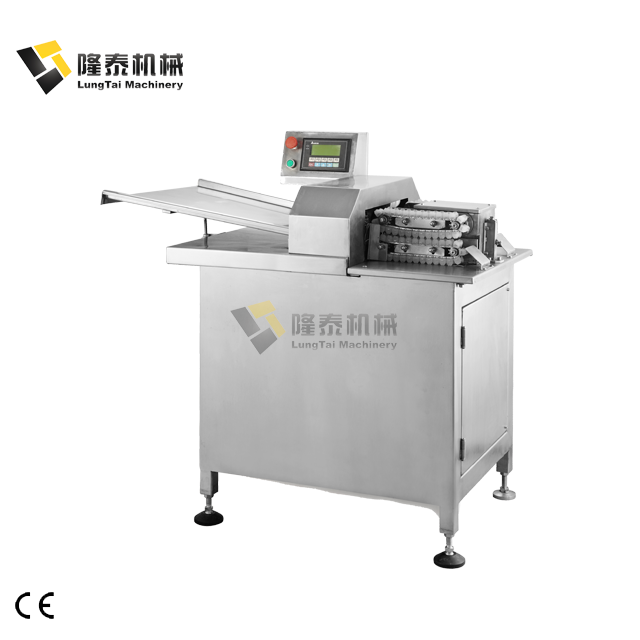
A suitable machine depends on more than output numbers. Mechanical design and production requirements should be evaluated together.
Food processing equipment operates in environments where cleaning, hygiene, and durability are important.
Buyers commonly review:
l Stainless steel construction;
l Cleaning accessibility;
l Contact material requirements;
l Moving component protection;
l Replacement part availability.
A machine that is difficult to clean or maintain may increase downtime during daily production.
Different sausage products may require different machine settings.
Factors that may influence machine selection include:
l Natural casing or artificial casing;
l Sausage diameter;
l Product weight;
l Moisture content;
l Tying method requirements.
Processors should confirm these details before ordering because equipment suitability depends heavily on the actual product.
Purchase price is only one part of the investment decision.
The overall cost of an automatic sausage tying machine may include:
l Equipment price;
l Installation requirements;
l Operator training;
l Maintenance;
l Spare parts;
l Energy consumption;
l Production downtime.
A lower initial price may not always result in lower operating costs if the machine requires frequent maintenance or creates production interruptions.
A practical evaluation process can include:
1. Confirming product specifications;
2. Reviewing machine operation details;
3. Checking sample production;
4. Discussing maintenance requirements;
5. Confirming spare parts and technical support.
This process helps buyers compare machines based on actual production needs rather than only supplier descriptions.
Supplier evaluation is an important step for food processing companies planning long-term equipment use.
Before cooperation, buyers usually check:
l Manufacturing experience;
l Technical communication;
l Machine customization options;
l Delivery schedule;
l Installation support;
l Spare parts supply.
A supplier should be able to explain how the equipment works in different production environments instead of only providing basic specifications.
Food production equipment often becomes part of a continuous manufacturing process. When problems occur, response time and technical support can affect production schedules.
Buyers may ask about:
l Remote assistance;
l Maintenance guidance;
l Spare part availability;
l Operator training.
Clear communication before purchase can reduce difficulties after installation.
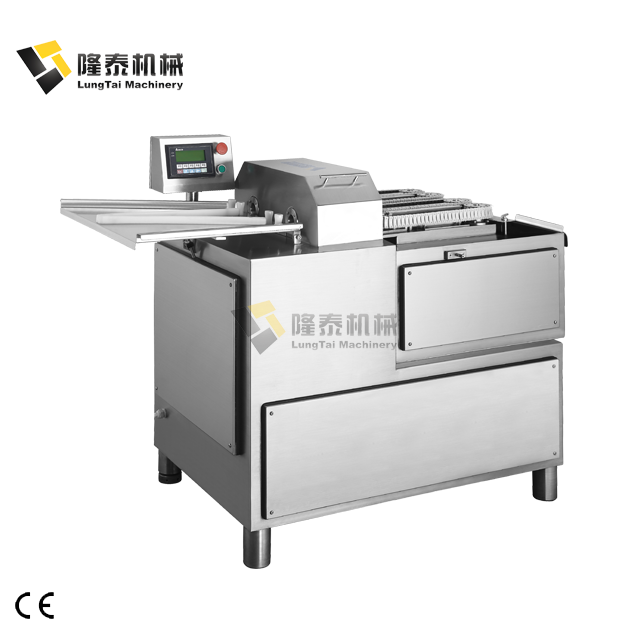
Food processing equipment must be considered together with hygiene practices and production requirements.
For sausage processing machinery, buyers commonly check:
l Ease of cleaning;
l Material selection;
l Product contact surfaces;
l Access to internal areas;
l Maintenance procedures.
A machine design that supports regular cleaning can help processors maintain consistent production practices.
Documentation requirements may vary depending on the market and project.
Buyers may review:
l Equipment specifications;
l Operation manuals;
l Maintenance instructions;
l Spare part lists;
l Technical drawings when required.
Having complete documentation helps with installation, operation, and future maintenance.
LungTai Machinery (Jiaxing) Co., Ltd. provides sausage processing machinery solutions for food manufacturers and buyers looking for production equipment support. The business concentrates on the machines employed in sausage manufacturing processes and can help its clients with their machine selection, production needs, technical communication, among others. Processors considering automation must look at issues such as the product specification, production goals, machine suitability, maintenance, and delivery among other considerations before purchasing them. However, the buyers need to compare all aspects of the suppliers before buying the machines.
Choosing an automatic sausage tying machine goes beyond just looking at speeds. The production environment, specifications of the sausages being processed, hygiene, maintenance, and after-sales services also play an important role in machine performance. The machine that is selected should fit into the operations and future plans of the meat processor. Proper evaluation prior to purchase can go a long way in minimizing any risks involved.
An automatic sausage tying machine is used to automate the tying process in sausage production, helping create more consistent product portions and improve production workflow.
Buyers should consider sausage size, casing type, production output, equipment compatibility, maintenance requirements, and supplier support.
It can support faster production compared with manual tying, but actual output depends on product specifications, machine settings, and the complete processing line.
Regular cleaning, inspection of moving parts, replacement of wear components, and following maintenance instructions are important for stable operation.
Buyers should review technical specifications, machine suitability, documentation, spare parts availability, delivery conditions, and after-sales support.
Do you need more
information?
You are welcome to contact us for further information about our company or products by filling in the form below.
Email: sales@lungtai.com
