

Efficiency in sausage production is something that can be easily measured on the production floor. Plant owners, production managers, distributors and buyers all want to know whether or not a sausage production line is able to meet daily orders in an efficient manner without giving products away, wasting labor, breaking casings, allowing for interference with sanitation, or having equipment down for repairs. A number of metrics can be used to compare the merits of new Sausage Processing Machinery, to design a production floor, to negotiate production capacity with buyers and distributors, or to determine how best to go about increasing the efficiency of production before adding more shifts.
First, measure what really matters: true output, product quality, and useable hours. Lines look very fast in a 30 minute demonstration but then lose capacity in the hours of loading, linking, cooking, peeling and packing and cleaning and changeovers. For imported lines, this data is also very useful at factory acceptance testing, container loading and after sales problems to check if the purchased equipment was designed to run the agreed product conditions or not. A buyer can blame the filler for poor packaging but in reality it is due to poor casing make up or lack of cooling capacity or packing labor on an understaffed packaging table near end of shift.
It is recommended that production capacity is measured and reported in terms of saleable kilograms, pieces or packs per hour under specified conditions. It is expected that the Buyer shall collect and record details in respect of Product, Casing Diameter, Filling Weight, Temperature required according to the Recipe, Number of Operators operating the equipment, Machine settings, and Length of Shift. Capacity as declared by the Vendor against the product under test i.e. nameplate capacity, is the initial reference point against which to compare the measured capacity of the production line. However, measurement of real production capacity involves assessment of all processes in the production line i.e. grinding, mixing, emulsification, filling, tying, hanging, smoking, cooling, peeling, cutting, packaging and inspection, prior to packaging.
Useful indicators include actual output, planned output, downtime, product giveaway, rejects, rework, labor hours, casing loss, cleaning time, and changeover time. Many plants also use Overall Equipment Effectiveness, which combines availability, performance, and quality. It is helpful, but only if downtime reasons and reject categories are recorded honestly. Otherwise, the final percentage can hide the real bottleneck.
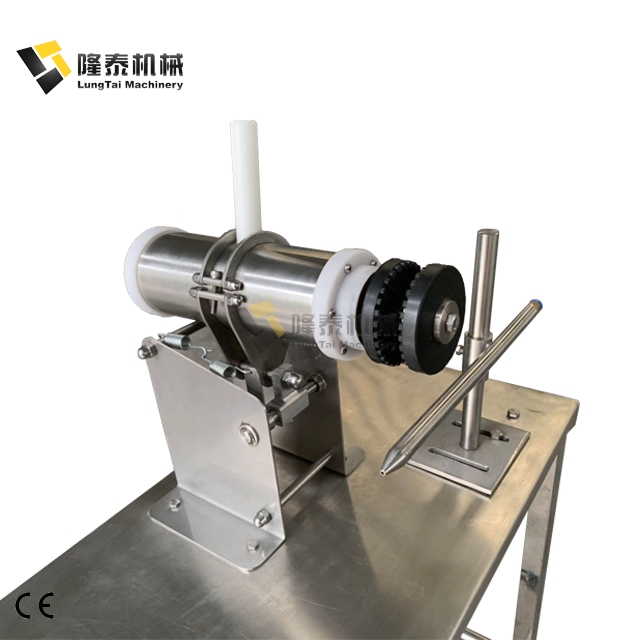
Starting from the Bottleneck analysis to walk through the process and see where the product is waiting. That slowest step in your process could be the least expensive piece of equipment. It could be your labor, preparing materials, handling cases, loading smokehouse, cooling, packaging, etc.
They happen when the meat batter is not ready for the filler, when changing casings takes too long, links break open, products are transferred by hand from one rack to another, smokehouse products have to wait for space in the smokehouse, packing cannot keep up with production. It is different for a fresh production line for raw sausages than for a cooked and smoked and peeled and sliced product. It should be measured for every product family on its own.
Create a simple shift log with details start & end time, a reason code, product code, batch size, number of operators, a temperature was an issue, running out of material, a sanitation hold was put in place, and notes for maintenance. Record all stops – not just the major ones. It’s the cumulative effect of several short stops that can eat into your daily production. Video can be very powerful to observe but must be used for process improvement not to apportion blame.
A fast line that makes unsafe, poor quality, or difficult to clean products is not efficient. Sausage making efficiency must address several critical criteria including food safety, adequate sanitation, and making a consistently high quality product.
List of defects for count: underweight pieces, overweight giveaway, broken links, poor twisting, casing splits, air pockets, smear, wrong length, uneven smoke color, peeling damage, and packaging defects. Giveaway is a silent transfer of margin to customer for free. Underfilled products create label complaints and customer complaints. Both should be counted and verified against the target weight and tolerance.
Sanitation performance standards for U.S. meat and poultry establishments are found in FSIS 9 CFR Part 416. ISO 14159:2002 is an international standard published voluntarily which provides guidelines for the hygiene requirements for the design of machinery. Criteria to be evaluated on equipment include stainless steel contact surfaces, weld quality, adequate drainage, cleanability, removable parts, protective guards, separate storage for lubricants, and supporting documentation. Cleaning time can also be a criterion in measuring the equipment’s efficiency in production.
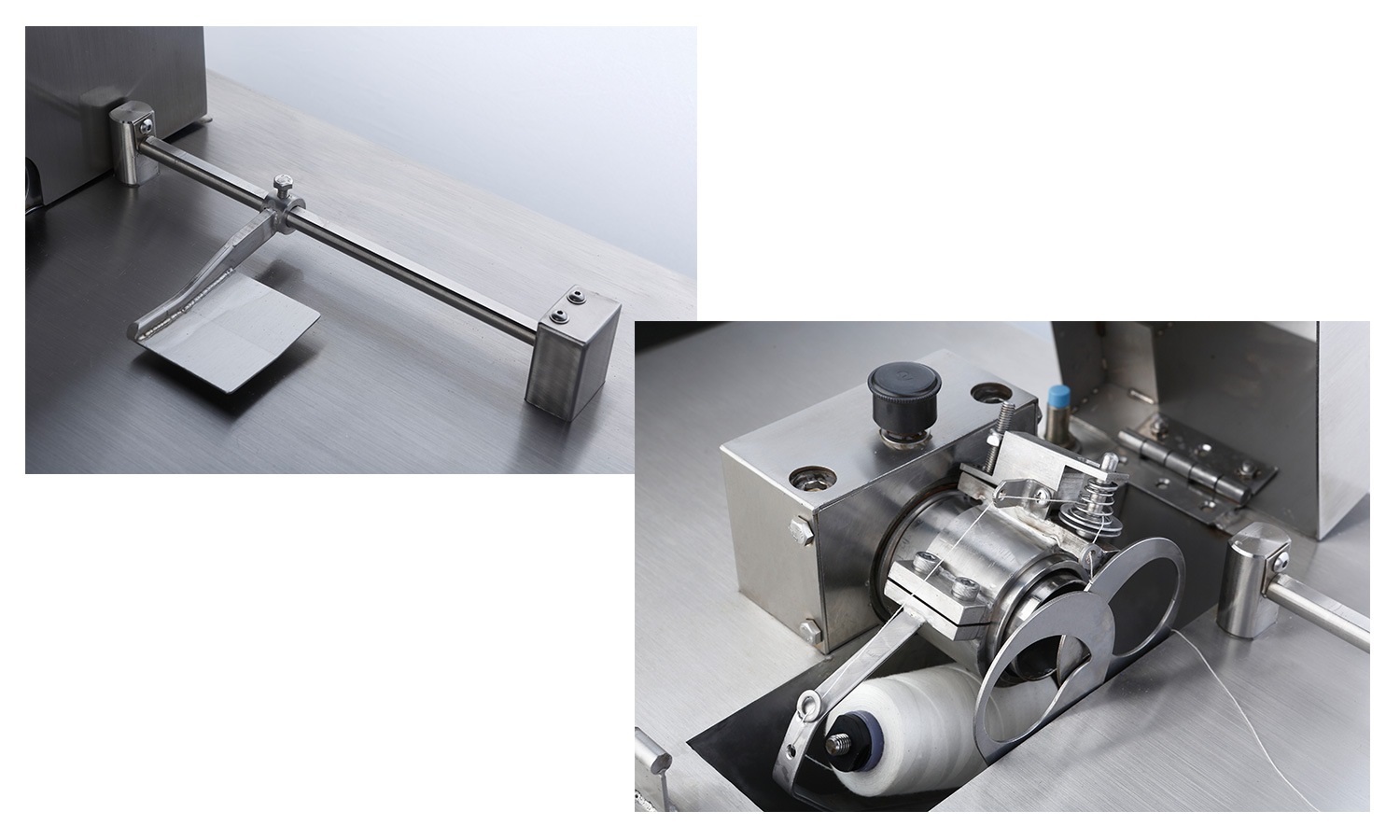
Most gains can be achieved by better preparation, layout, employee skills, preventive maintenance and standard settings before investing in larger equipment to run a longer line. Verify that you are indeed equipment-limited on your current line.
Begin with material staging, casing rehydration, tooling setup, recipes, filler setup sheets, spare parts, and packing scale balance. Minimize walking between mixing, filling, tying, smokehouse loading, cooling, and packing. Standardize steps for changeovers and assign a person to each. Use trial runs to test one change at a time and see what made the difference.
New machinery may be justified when logs show repeated capacity limits, excessive manual handling, sanitation delays, unstable portioning, or quality losses that cannot be solved by process control. Buyers should compare filler speed, tying accuracy, forming method, peeling stability, output range, footprint, power, air supply, cleaning access, operator needs, spare parts, installation support, and after-sales communication. The quote should include practical commissioning expectations.
LungTai Machinery (Jiaxing) Co., Ltd. is a manufacturer specialized in developing Sausage Processing Machinery including making, filling, tying, peeling, forming, smokehouse related equipment and complete sausage production line. We supply pre-treatment to post-processing processing equipment, including cutters, grinders, marinators, sausage fillers and tie machines, casing peelers, meat buggies, trolleys and many sausage processing accessories. For customers measuring production capacity or planning to set up a complete sausage production line, we are happy to discuss on which type of products to use, how to layout a line and which machines to use, do trials with samples, discuss on how operators work, etc. suppliers’ inputs on how to make production more efficient can be very useful by selecting right machinery. Please also note that buyers shall compare suppliers’ specifications and documents and prices and delivery terms and installation terms and after sale service etc. before placing final order.
Measure the efficiency of your sausage production in terms of saleable output, usable time, quality loss, labor, sanitation time and bottleneck activity. The term production capacity only has meaning when product type, operators, recipe, casing, equipment and shift are all defined. A reliable measurement system is key to the manager who wants to improve the efficiency of his sausage production before investing in a larger machine. First the line constraint must be clear when selecting a Sausage Processing Machinery. Only then can the buyer of such equipment make a good layout, compare suppliers and reproduce processes.
Under normal operating conditions, record saleable weight in kilograms, pieces or packs per hour. Record Product Type, Operators name, number of stops, rejects and any cleaning time.
Nameplate capacity is often developed under ideal conditions. In reality, actual capacity can be reduced due to factors such as the preparation of raw materials, changing of casings, cooking, cooling, packing, cleaning, and staffing constraints.
Review of shift data on a daily basis against trend reviews on a weekly or monthly basis. Look for repeated losses not individual errors.
Begin by measuring the current reasons for downtime, quality losses, and the current changeovers. Then test staging, training, maintenance, current layout and current standard settings before you begin buying new equipment.
Capacity conditions, products offered, cleaning access, availability of spare parts, installation requirements, operator training, documentation, warranty, service support after delivery.
Do you need more
information?
You are welcome to contact us for further information about our company or products by filling in the form below.
Email: sales@lungtai.com
