

In sausage making, the casing spooling step is very important. It helps prepare natural casings well for filling. Good spooling boosts product quality. It also raises production speed and worker output. When people do it by hand, it relies a lot on the worker's ability and care. But hand spooling can cause uneven pull and bumpy winding. This leads to differences in sausage look and feel. Many meat makers deal with problems like tired workers, slow output, and high worker costs from hand methods. These troubles have sparked more need for auto tools. Such tools aim to lift work rate and steadiness in meat lines.
As worldwide need for ready meat grows, auto tech drives better work flow. Auto setups cut reliance on hand labor. They lower mistakes by people and give steady results over work runs. Gear like the LTC-01 natural casing spooler shows how auto changes old ways. It gives exact command over casing pull and winding pace. Moving from hand to auto needs thought on things like output size, gear fit, worker learning, and money return. For lots of makers, using auto spoolers means more than a tech change. It is a smart step for lasting business growth.
Before we look at work data or money effects, it helps to compare how these setups are built and run. This comparison shows clear contrasts in daily use.
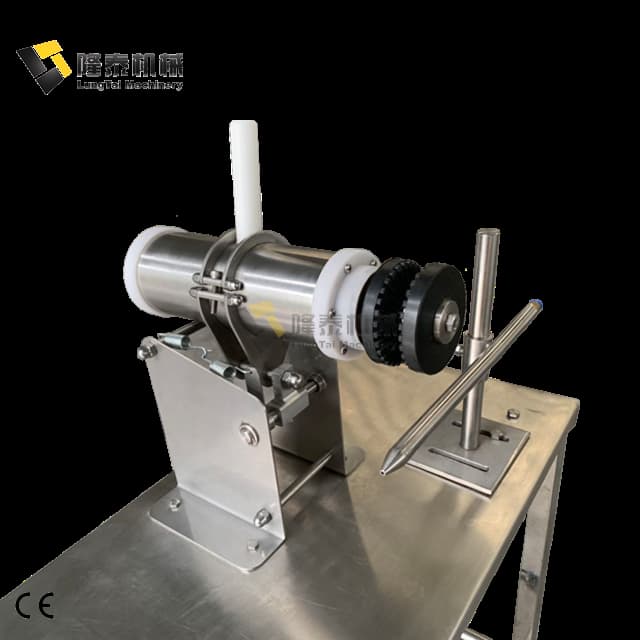
Hand casing spoolers depend much on a worker's skill to keep even winding pull. Any change in touch can cause flaws. These flaws harm later steps like filling and linking. On the other hand, the LTC-01 uses powered parts. They auto adjust pace and pull for smooth winding in every lot. Its smart build has strong stuff, easy-grip controls, and screen panels that make running simple. It also cuts repair needs. Hand tools need more tweaks often. Plus, they wear out faster from steady hand use.
Work gaps between auto and hand spoolers stand out in steady output. Auto types like the LTC-01 hold firm production speeds with little stop time. Their electric controls end slowdowns from tired workers. Hand setups rely fully on human strength. Workers might slow down in long work times. Studies that compare show auto spoolers hit much higher flow rates. At the same time, they keep steady quality rules. This speed gain leads to quicker finish times. It also lifts whole plant work rate.
To grasp auto's money effect well, makers need to see how it shifts worker use. This shift brings real savings over time.
Auto spoolers cut the call for trained workers in casing prep a lot. Now, one skilled person can watch several machines at once. They do not need to focus only on one hand unit. This shift lets plants move staff to better jobs. Such jobs include check quality or handle shipping. Also, easy screens shorten learning time for new hires. That matters for places with quick staff changes or busy seasons.
Money wins from auto go past quick worker savings. By cutting tie to hand teams, makers get steady run costs. This holds true even when worker markets shift. Steady output cuts waste from bumpy winding or hurt casings. That boosts profit edges more. When figuring ROI, many plants see that lower staff needs plus higher work speed cover start-up gear costs fast.
Steadiness is a key factor. It shapes both product quality and company image in sausage work. Without it, results can vary too much.
Evenly wound casings make sure of smooth filling in stuffing work. This gives sausages the same width and feel. Hand spooling often brings changing pull levels. Those cause uneven filling or snaps in linking steps. Auto setups like the LTC-01 use exact pull tools. They make each wind turn the same, no matter worker skill. This care keeps product traits stable in big lots. It is vital for hitting work standards.
More than looks, steadiness aids rule following and buyer joy. Food rules need trackable steps. From casing prep to packing, each part must have clear records. Auto spoolers help this with built-in watch tools. They log work data on their own. Even looks also build trust in brand for big buyers. They want sameness in orders.
Picking auto or hand casing tools relies on work aims, money limits, and growth plans. Weighing these helps make the right choice.
Big output plants gain most from auto. Non-stop runs max flow while keeping even quality in long shifts. Small makers might pause at high start costs. But they should think of gains from lower worker pay and better steadiness over years. Checking growth room is key. Auto systems like the LTC-01 allow add-on parts as needs change.
Auto machines need set check-ups, like oiling or program fixes. Yet they last longer than hand units that wear from hand push. Key things include part stock, quick help teams, and far-off check tools from sellers. Hand spoolers cost less to fix at first. But their uneven runs often bring higher hidden costs. Those come from fix work or stop times from poor results.
LungTai Machinery (Jiaxing) Co., Ltd stands as a trusted maker. It focuses on natural casing spooler tools for meat makers worldwide. These makers want better auto skills. The firm's LTC line, including the LTC-01, shows fine build work mixed with simple use ideas. The goal is to raise work rate and product quality in today's meat plants. LungTai Machinery keeps pushing new ideas. It adds fresh tech to its gear set and offers full help services around the world.
Switching from hand work to auto setups signals a big change for meat plants. These plants aim for tighter cost plans and steady output. The LTC-01 natural casing spooler shows clear wins from auto. It cuts worker reliance, boosts even product through exact pull command, and gives sure long-run work with low stop risk. Teaming with a skilled seller like LungTai Machinery (Jiaxing) Co., Ltd brings more than solid gear. It adds pro advice key for steady growth in tough markets that stress work gains.
The LTC-01 offers steady winding pull. It cuts people errors and lets workers watch many units at once. This brings better work rate and lower worker costs.
Adding it is often simple. Most new spoolers have flexible links that match usual sausage lines with few changes.
Clean it after every shift as a rule. For checks like oiling or looks-over, plan monthly or every three months based on how much you use it.
Do you need more
information?
You are welcome to contact us for further information about our company or products by filling in the form below.
Email: sales@lungtai.com
