

Finding stainless steel molds in China takes careful thought. A poor pick might cause regular failures, faulty items, or loads turned back at the border. For business buyers in food handling, landing the correct stainless steel mold maker proves vital. It keeps your lines moving without hitches. Plus, it helps meet tough global rules.
This 2026 guide for buyers skips the hype. It homes in on key points for judging providers. That holds true especially for food-safe uses. Think sausage stuffing setups and skinning tools. By digging into these areas, you build a strong case for your choice. And you sidestep traps that snag many others.
Plenty of buyers from abroad picked up this lesson the tough route. Low-price molds carry sneaky flaws. After some hard months, they show size shifts, spot rust, or fast grind on slide rods. Such snags can halt a full line. They drain bucks each month from skipped work.
A steady maker gives more than basic molds. They bring even results, rule-following, and lasting work. The true split often appears in three spots. First, firm grasp of food-safe stuff. Second, tight check systems. Third, real sense of mold action in live food lines. These elements tie together to shape your success. Without them, small issues grow big fast.
Not every stainless steel fits food-touch spots. You want a provider with firm real-world skill in food-grade 304 and 316L stainless steel. That background sets them apart.
Smart providers spot when 316L suits best. It fights rust better in salt or sour spots. They can point to old jobs with sausage molds, stuffing part pieces, or skinning tool bits. This focused skill stands out from plain mold shops. It boosts your trust in what they can do. And it matches your needs spot on.
Skip any provider who skips Material Test Certificates (MTC). These papers back the true mix and strength traits of the stainless steel. They form the base of trust.
Steady makers share MTCs for each lot with ease. They hold full track logs from start stock to end mold. This paper trail proves key for food check reviews. It also smooths border passes in Europe and North America. Without it, you face extra hurdles. So, always demand these upfront.
Step into a top maker's shop, and the setup stands clear. You spot signs of real care. For instance, kept-up measure gear with fresh tune logs. Also, ISO 9001 stamp for quality handling. Then, full check notes at each build step. And neat, ordered work zones.
Providers who value quality track main sizes and finish looks closely. These notes shield you in later spats over standards. They show the work done right. In short, a glance at the shop tells much about their ways. It helps you judge if they fit your standards.
The best stainless steel mold makers go beyond lone pieces. They grasp the full food handling chain from start to finish. That broad view changes everything.
This all-around skill gives a big lift. A provider who crafts or backs sausage stuffing setups and skinning machines knows mold needs in true run spots. Such insight lets them shape molds that hold up longer. They also work smoother. In the end, it cuts your worry and boosts output.
Buyers abroad can't skip ship rules. A pro provider knows global needs well. They supply full tech papers in plain English. They include right pack sheets and trade bills. Labels fit border checks too. And they promise steady spare stock plus lasting tech aid.
Fast replies count big. So does readiness for far or close help. These traits mark a solid teammate. They ease your path from order to use. Without them, small delays turn into big pains.
This simple list aids your provider check. Start with shown skill in food-grade 304 and 316L stainless steel. Next, skill to give Material Test Certificates (MTC) and full track. Then, ISO 9001 stamp and deep quality check notes. Also, firm hold on food handling setup chains. Plus, past ships to your aim spots with right papers. Last, clear pledge for spares and tech aid. Use this to weigh options. It keeps your focus sharp on what lasts.
Shoppers after sure exact molds often pick providers who blend well with sausage stuffing setups and skinning lines. A good mold teammate acts like part of your crew. They handle the fine points that keep things flowing. For food gear makers, this tie-in proves key to steady work.
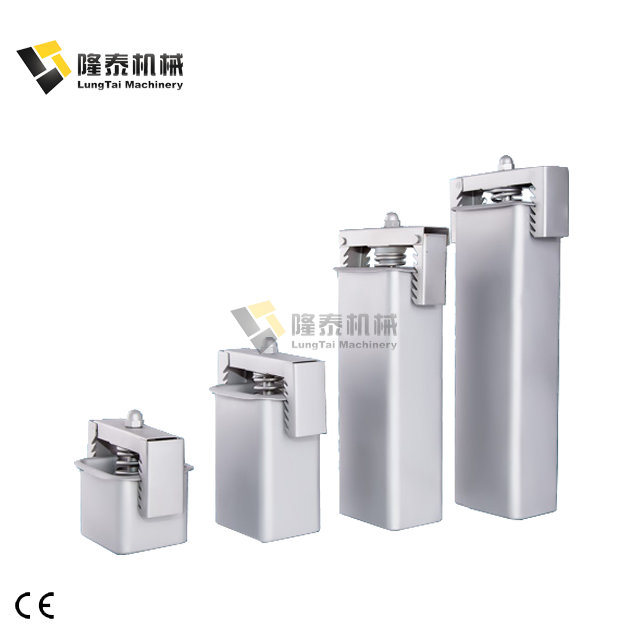
Many international buyers look for a manufacturer that combines strong mold-making skills with real food processing knowledge. LungTai Machinery serves as a manufacturer and promoter of different kinds of food processing equipment from pre-treatment to post-processing and accessories. With over 25 years of experience, the company has built deep vertical integration in the food machinery sector, especially in sausage peeling machines and related processing equipment.
This unique background allows LungTai to produce stainless steel molds that are not only precisely made but also proven to perform reliably in demanding food production environments.
Vetting a stainless steel mold manufacturer in China requires looking beyond price. Focus on material expertise, proper certifications, quality control systems, and real understanding of food processing applications. A supplier that excels in these areas will help you avoid costly downtime and maintain consistent product quality.
Take your time with the evaluation. Request samples, visit the factory if possible, and talk with their existing customers. The effort you put in at the beginning will pay off through smoother production, fewer quality issues, and stronger long-term partnerships.
Proven experience with food-grade 304 and 316L stainless steel combined with ISO 9001 quality management is essential. For certain applications, ASME or GB150 related experience can also be valuable.
MTCs verify the exact chemical composition and mechanical properties of the stainless steel. They are critical for food safety compliance and customs clearance in major markets.
Look for suppliers who also produce or support complete equipment such as sausage filling machines or peeling machines. This vertical knowledge ensures the molds are designed for real production conditions.
Common issues include dimensional changes after heavy use, surface rust, and excessive wear on guide pillars. These problems can cause production stoppages and significant financial losses.
Yes. Reliable technical documentation, remote support, and spare parts availability can greatly reduce downtime and long-term costs, especially for overseas buyers.
Do you need more
information?
You are welcome to contact us for further information about our company or products by filling in the form below.
Email: sales@lungtai.com
