

Running a meat processing plant keeps you on your toes. Every single machine on the floor has to pull its own weight. Otherwise, you run into all kinds of trouble. The sausage cutter machine sits right in the heart of your line. It picks up after the thermal processing and thorough chilling steps. The machine then feeds the separated sausages into the packaging line.Choose the wrong model, and you’ll deal with uneven lengths all day long. Your labor costs creep up. The whole line can grind to a halt at times. Pick a good one, though, and it just hums along quietly. Shift after shift, it keeps production steady.
If you’re hunting for a new sausage cutter machine or planning to upgrade your current setup, this guide lays it out plain. We zero in on the choices that really count for plant managers and purchasing folks. You’ll learn how to match capacity to your actual daily runs. We cover picking the right automation level. You’ll see what matters with blade quality and easy cleaning. Most importantly, we talk about how the machine meshes with the rest of your equipment.
Skip the spec sheets at first. Instead, sit down and figure out exactly what your line demands every single day.
Smaller or medium plants often turn out between 500 and 2,000 kilograms of linked sausages during one shift. Larger outfits push past 5,000 kilograms without much sweat. Your sausage cutter machine has to keep pace with that flow. It can’t make the filler slow down. It shouldn’t push the next steps into a rush either.
Imagine this scene. Your filler pushes out links at roughly 1.2 meters every second. The cutter needs to handle that pace smoothly. Solid models make neat cuts on pieces as short as 35 millimeters. They work fine with diameters from 10 millimeters up to 50 millimeters. That covers plenty of ground. You get everything from little cocktail sausages to thicker bratwurst styles.
Here’s a straightforward way to size things up:
· Low-volume plants (under 1,000 kg per day): Pick something reliable that runs 500 to 1,500 cuts per minute. It shouldn’t need constant watching.
· Medium-volume plants (1,000 to 4,000 kg per day): Look for steady speed and fast changeovers when you switch sausage sizes.
· High-volume plants (over 4,000 kg per day): You need strong automation and tight connections to other machines.
Don’t forget your shift schedule either. Leave a bit of extra room. That way the machine won’t choke when big holiday orders suddenly flood in.
Your decision usually boils down to how many hands you have on the floor and how consistent you need the cuts to be.
Simple manual or basic semi-automatic cutters still handle small speciality runs just fine. Yet most plants today lean toward systems with PLC controls and easy touchscreen panels. Operators can quickly set the machine to slice single links, pairs, or even bunches of five. The line keeps rolling the whole time.
A dependable automatic sausage cutter machine counts every piece it makes. That makes inventory tracking simpler. It also helps with quick quality checks. The better ones come with waterproof builds. You just hose them down at shift end and get back to work.
From real experience on the plant floor, full automation works great when you stick with the same product for long stretches. But if you switch casings or diameters several times a day, hunt for models that let you adjust fast. You won’t need extra tools or long training sessions.
This is the spot where cheaper machines show their weaknesses pretty quickly.
You need blades made from food-grade stainless steel, usually 304 grade or higher. They stand up to meat juices and tough cleaning chemicals. Sharp edges deliver clean slices. They don’t tear casings or leave rough, messy ends. Those bad cuts show up later in customer calls or during inspections.
Cleanliness stretches far past the blades. Search for machines built with smooth surfaces and almost no hidden spots where dirt can collect. The whole design should let water drain out completely after washing. Waterproof electrical parts and solid protection ratings help prevent sudden breakdowns in your wet environment.
One plant I know cut its daily cleaning time by nearly 40 percent. They switched to a cutter with an open frame and pieces that snap off easily. Little details like that really add up. Especially when you run two or three shifts and have to meet tough hygiene rules every single day.
Many buyers overlook this part until the new machine arrives and causes problems.
A sausage cutter machine almost never stands alone. It has to connect smoothly with your cooling line after cooking and the packaging setup.
Ask yourself these down-to-earth questions before you pull the trigger:
· Can it take sausages straight off the linker without extra hands grabbing them?
· Does the input height match your current conveyor line?
· Will the output slide nicely into the next stage, whether that’s packaging?
· Is there enough space for any sensors or controls that tie into your bigger system?
In a standard sausage line, the cutter sits right after cooling and before final packing. When everything lines up well, product flows without stops. You get less damage and fewer people touching the sausages. Some plants run the whole thing inline. Links keep moving straight through from cooling to packaging.
Since protein and natural casings bond tightly to the meat and cannot be peeled after cooking, this cutter is essential for cleanly separating them once they have cooled and set. A wide diameter range from 10 to 50 millimeters plus adjustable cut lengths gives you breathing room. You won’t have to buy another machine just because your recipes change down the road.
Power draw adds up fast once you scale up. A 2.5 kW unit is pretty common for mid-size cutters. Still, check your plant’s electrical setup early on.
Floor space counts too. Most models take up about 800 by 900 by 1,500 millimeters. Make sure you leave clear space around it for maintenance and thorough wash-downs.
Training new operators eats up time. Touchscreen controls with clear, simple menus speed that up. Built-in counters and warning alerts help your maintenance team spot small issues early. That keeps big problems from hitting at 2 a.m. during a heavy run.
And always think about parts and service. A machine only stays useful if you can get the right replacement piece fast when something finally wears out in the middle of a busy production day.
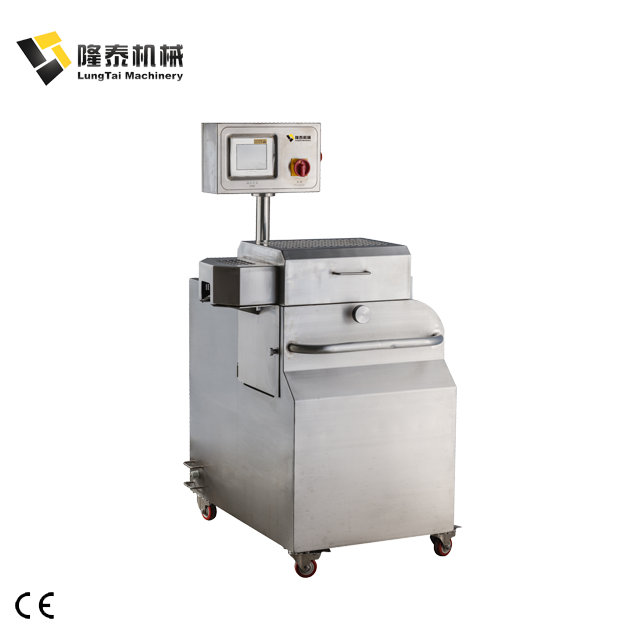
LungTai Machinery got its start back in 2004. They began by creating their own vacuum sausage filler and tying machine. That equipment helped quite a few plants get into small-diameter sausage making. Over time they grew into a full-line manufacturer.
These days they build gear that covers every step of sausage production. It starts with early tasks like mixing and grinding. Then it moves through filling and linking. It continues all the way to cutting, peeling, and the extra accessories that hold everything together. Their sausage cutter machine models focus on tough construction, food-safe materials, and automation that actually works on real factory floors. Many meat processors see them as a solid manufacturing and supply partner. They turn to LungTai when they want smoother operations without cutting corners on quality or cleanliness.
Picking the right sausage cutter machine means more than just ordering some metal and motors. You need gear that fits your current daily output. It should grow along with your business. And it has to drop into the rest of your line without any fuss. When capacity, automation, blade performance, and integration all line up nicely, you enjoy smoother shifts. Labor costs stay lower. You run into fewer surprises when the day ends.
Take the time to map out your true production numbers. Walk through exactly how the cutter will hook up with your cooling line and packaging equipment. The payoff shows up in steady product quality and a line that runs the way you always pictured it.
Most mid-sized plants look for models that handle 1,000 to 4,000 kilograms per day without much trouble. Speed usually sits around 1.2 meters per second of linked sausage. Match this closely to your filler’s output. That way the cutter doesn’t create any backups on the line.
It depends on your crew size and the mix of products you run. Full PLC control with a touchscreen cuts manual work. It also keeps every cut even, especially on long runs. Semi-automatic models can still work well if you change sizes or patterns pretty often.
Choose food-grade stainless steel blades that stay sharp and resist corrosion well. Combine them with a waterproof, easy-to-clean frame. You’ll spend less time scrubbing. At the same time you’ll still meet strict hygiene standards. Clean cuts also make your finished sausages look nicer on store shelves.
Yes, most modern lines run that way. They send it cleanly toward peelers or packaging stations. Always check the infeed and outfeed heights. Also look at any sensor connections before you make the final call.
A flexible sausage cutter machine usually handles diameters from 10 mm to 50 mm. It can make cut lengths starting at 35 mm. That range lets you run everything from small cocktail sausages to bigger retail portions on the same piece of equipment.
Do you need more
information?
You are welcome to contact us for further information about our company or products by filling in the form below.
Email: sales@lungtai.com
