

Running a small or medium meat plant isn’t easy. You face tight margins, rising wages, and customers who want their sausages fast and consistent. One quiet problem that eats into your profits is hand-tying sausages. Workers stand there twisting and knotting each casing one by one. The work is slow. It wears people out. And the links often come out uneven.
A semi-auto sausage tying machine flips that situation around in a hurry. It still gives you that hands-on feel many operators like, but it speeds everything up big time. A lot of plants say they doubled their daily output and cut labor hours at the same time. Let’s talk about how this machine really works on actual shop floors.
Think about a normal morning in a mid-sized sausage kitchen. Two or three workers stand at a table. They stuff the casings first. Then they twist them by hand. A skilled guy might hit 20 to 40 links per minute on his best day. That adds up to maybe 1,200 to 2,400 portions in an hour. But only if nobody gets tired and breaks are short.
Real life is different. Hands start aching after a couple hours. Twists end up different lengths. Some links break. You waste casing. Customers notice the sloppy batches. On top of that, you tie up good workers who could be mixing, smoking, or packing instead. Finding reliable tying hands gets harder every year. Wages keep climbing. Overtime piles up fast.
Manual tying is fine for tiny test batches. But once you push past a few hundred pounds a day, it starts dragging your whole operation down.
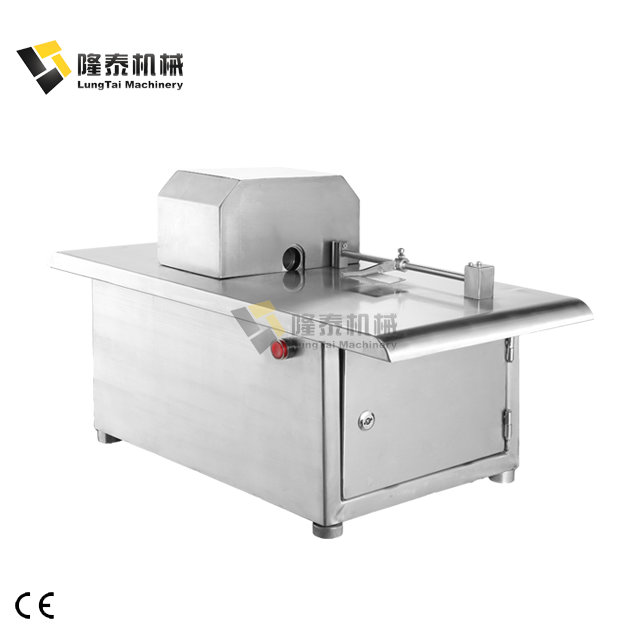
A good semi-auto sausage tying machine sits right in the sweet spot. It’s not full manual, and it’s not crazy-expensive full automation. The operator just feeds the stuffed casing into the machine. Then the equipment takes over the twisting and knotting with microcomputer control.
Look at the compact WZC100D model. It handles calibers from 8 to 32 mm. Portion lengths go from 30 to 230 mm. This machine can reach up to 100 portions per minute. That’s 6,000 links in one steady hour. Even with normal stops to reload casings or make small tweaks, most plants still get 3,000 to 5,000 portions per hour without breaking a sweat.
The unit weighs only 49 kg. It’s small — just 790 mm by 410 mm by 470 mm. So it fits easily on a workbench in tight shops, butcher counters, or hotel kitchens. Everything is made from SUS304 stainless steel. It cleans up quick and holds up to daily use. The noise stays pretty low, which matters a lot when your team works close together all day.
Here’s a nice bonus: it usually saves 10 to 20 percent on casings. The steady tension means fewer breaks and tighter knots. That adds up to real money when you run natural or collagen casings week after week.
Here’s how the two stack up in a typical small to medium meat plant:
Aspect | Manual Tying | Semi-Auto Sausage Tying Machine |
Output per Hour | 1,200 – 2,400 portions | 3,000 – 6,000 portions (up to 100/min) |
Labor Needed | 2–3 dedicated workers | 1 operator (feeds and monitors) |
Consistency | Varies with worker skill and fatigue | Nice and even knotting and lengths |
Casing Waste | Higher due to uneven twists | 10–20% savings |
Worker Fatigue | High – repetitive hand strain | Much lower – machine does the twisting |
Best For | Very small test batches | Daily production in small-medium plants |
The difference is pretty clear. One semi-auto sausage tying machine can replace two or three full-time hand tiers. At the same time, it gives you much more uniform product. Many operators say they cut their tying labor costs by 50 to 70 percent after the switch.
Let’s put real numbers on it. Suppose your shop runs one shift and makes around 2,000 pounds of sausage links a day. With manual tying, you probably need three people working most of the day just on linking. At $18 to $22 an hour plus benefits, that labor line gets expensive fast.
Switch to a semi-auto machine and one operator can handle the same volume — or even more — in less time. The extra capacity often lets you pick up new customers or add more sausage varieties without hiring extra hands. Some plants say they got their money back in just 6 to 12 months from labor savings and higher output alone.
Take a regional butcher shop that started selling more retail packs. Before the machine, their team tied about 1,800 links per hour with two workers. After they got the semi-auto unit, output jumped to over 4,500 links per hour with just one person. They moved staff to packaging and customer service. Overtime dropped. Casing waste went down a lot. The owner mentioned the sausages looked cleaner and more professional on the shelf, which helped sales.
For medium plants running 5,000 to 10,000 pounds a week, the gains feel even stronger. You keep good quality without wearing out your crew. Because the machine is small and easy to move, you can shift it around when your workflow changes.
Of course, results depend on your setup. If you already have a solid vacuum filler that gives consistent stuffed casings, the semi-auto tier runs even smoother. The two machines together create a nice steady flow with no big bottlenecks.
Speed matters, but consistency counts just as much. Customers want every link to look and cook the same. A semi-auto sausage tying machine delivers uniform lengths and tight knots batch after batch. That means fewer complaints and returns.
Hygiene improves too. Less hand contact with the product cuts down contamination risks. The stainless steel surface wipes down fast between batches.
Many small and medium plants like the flexibility. The machine handles all kinds of portion sizes. You can switch from breakfast links to bratwurst or cocktail sausages without major hassle. Power use is low — only 250W — so it won’t drive up your electric bill.
LungTai Machinery (Jiaxing) Co., Ltd. has built a solid name since 2004. The company makes and promotes different kinds of food processing equipment. Their range covers everything from pre-treatment to post-processing and accessories. This includes meat grinders, mixers, natural casing spoolers, filling machines, tying equipment, and more. They focus on practical, tough machines that help meat processors run smoother while keeping product quality high. With years of real experience in sausage equipment, LungTai supports small shops and growing operations with well-built tools made for everyday use.
A semi-auto sausage tying machine gives small and medium meat plants a smart, practical way to boost output without going all-in on full automation. It brings much higher speeds, cuts labor costs, improves consistency, and often pays for itself inside the first year. If your team still spends long hours twisting links by hand, it might be time to see how this machine could fit your floor. Take a look at your current volume and labor hours. A lot of operators find the change delivers exactly what they need — faster production, happier crew, and better margins.
It can hit up to 100 portions per minute. That easily doubles or triples output compared with hand work, while only needing one operator instead of two or three.
Most plants cut tying labor by 50 to 70 percent. One person handles what used to take a whole small team. This frees up workers for other jobs and reduces overtime.
Yes, it is. Its small size, low noise, and flexible portion settings make it a great fit for butcher shops, central kitchens, and growing meat plants that need more speed without a huge investment.
It usually saves 10 to 20 percent on casings. The steady tension creates fewer breaks and tighter knots.
Absolutely. It works with calibers from 8 to 32 mm and portion lengths from 30 to 230 mm. You can switch between different sausage types during the same shift.
Do you need more
information?
You are welcome to contact us for further information about our company or products by filling in the form below.
Email: sales@lungtai.com
