

Running a sausage line means you deal with plenty of steps. Meat comes out of the grinder. Then it often sits for a bit before it goes into the filler. That little pause adds up fast. It wastes time. It can warm up the meat too much. And it leaves your team scrambling to catch up. But when you hook a meat grinder sausage filler combo together into one smooth setup, things change for the better. You cut out the waste. You hold onto better quality. And you push out way more finished links without all the usual stress. This guide takes you through the whole process. It starts at pre-treatment and runs right through to post-processing. The focus stays on a solid integrated meat processing system that works in busy shops like yours.
Picture this: your crew grinds a batch of fresh pork, but the filler sits idle while someone hauls the meat over. Minutes turn into hours across a shift. Temperature creeps up, fat starts to smear, and flavor fades. An integrated setup fixes that straight up.
The meat grinder sausage filler combo links the two machines so ground meat moves directly into the filling hopper. No carts, no scoops, no waiting. You slash downtime between grinding and filling by up to half in many setups. Output jumps because the line never stops. Plus, hygiene stays tighter—no extra handling means less chance for contamination. For any operation chasing efficient sausage production, this shift pays off fast in labor savings and consistent results.
At its core, this combo pairs a heavy-duty grinder with a vacuum or piston-style sausage filler. The grinder breaks down chilled meat into the exact particle size you need. The filler then pushes that mix into casings under steady pressure. When they work as one integrated meat processing system, you get portion control, twist linking, and even auto-clipping in some models—all without breaking stride.
What sets a good combo apart? Direct feed. Ground meat drops right from the grinder’s outlet into the filler’s hopper. Some setups add a short conveyor or lift to keep the flow gentle. The result? Fresher texture and better bind because the meat never sits exposed. Shops using this report fewer air pockets in the final links and smoother casing fill. It’s not fancy tech—it’s just smart workflow integration that makes daily runs feel effortless.
Break it down into the main pieces, and you see how everything clicks.
Your grinder handles the tough pre-treatment work. It takes whole cuts or trimmings and turns them into uniform mince. Look for models with strong motors and multiple plate sizes so you dial in coarse or fine texture without swapping parts mid-batch. Stainless construction keeps it clean and durable. In a combo, the grinder’s discharge sits close enough to the filler that meat flows straight across—no extra steps.
The filler takes that ground meat and stuffs it fast. Vacuum models pull air out for denser links; piston types give you precise pressure. Key here is hopper size and feed consistency. When paired right, the filler matches the grinder’s output rate so nothing backs up. Add-ons like casing spoolers that mount straight onto the filler make loading natural or collagen casings a breeze.
Together, these form the heart of your integrated meat processing system. They talk to each other through simple controls or even basic sensors that sync speeds.
Here’s where the magic happens. A solid workflow keeps meat moving cold and fast.
Start with your raw materials. Use a lifter to dump 200-liter carts of chilled meat right into the grinder hopper. Mix in spices or marinades if needed—many lines add a tumbler or mixer right upstream. Grind in one pass or two, depending on the recipe. The key? Keep the meat at 32–38°F so fat stays firm.
· Load meat carts via hydraulic lift for zero heavy lifting.
· Grind directly into a short transfer chute.
· Monitor temperature at every handoff.
This setup turns pre-treatment from a chore into a quick, repeatable cycle.
Once ground, meat slides straight into the filler. No downtime. The filler’s vacuum or pressure system pulls it in evenly, then portions and twists links at your set speed. Casing prep happens right there—shirring machines mount on the filler frame so you load fresh casings without pausing the line. The whole handoff takes seconds, not minutes. Your crew stays focused on quality checks instead of moving tubs around.
Compatibility sounds technical, but it boils down to matching sizes, power, and flow rates. A mismatched grinder spits out too much meat too fast; the filler chokes. Match motor horsepower and hopper capacity, and you’re golden.
Here’s a quick comparison of separate versus integrated setups:
Aspect | Separate Machines | Integrated Meat Grinder Sausage Filler Combo |
Downtime between steps | 5–15 minutes per batch | Under 1 minute |
Meat temperature control | Risk of warming during transfer | Stays chilled throughout |
Labor needed | 2–3 people for moving meat | 1 person oversees the line |
Output consistency | Variable due to handling | Steady, repeatable portions |
Space required | More floor space for carts | Compact footprint |
Pick components rated for the same throughput—say 500–1000 kg per hour—and you avoid bottlenecks. Many suppliers design their gear with standard mounts so the grinder bolts right up to the filler frame. That’s true system compatibility in action.
Downtime kills profit. The biggest culprit? That gap after grinding. With the combo, you cut it by feeding meat continuously. Add sensors that pause the grinder if the filler hopper hits capacity, and you never overflow or run dry.
Simple tricks help even more:
· Chill the transfer chute to keep meat firm.
· Schedule batches so grinding and filling run in tandem.
· Train staff on quick casing swaps using mounted spoolers.
Real shops see 20–30% more links per shift because the line never idles. Less waste, too—no meat left sitting in carts that goes off-spec.
Integration doesn’t stop at filling. Your filled links move straight to tying machines for clean twists and clips. Then peelers strip casings if needed, and slicers or dicers handle any value-added cuts. The whole line flows from raw grind to finished product without extra transport. Smoke trolleys or carts roll in seamlessly for the next stage. You keep momentum all the way to packaging.
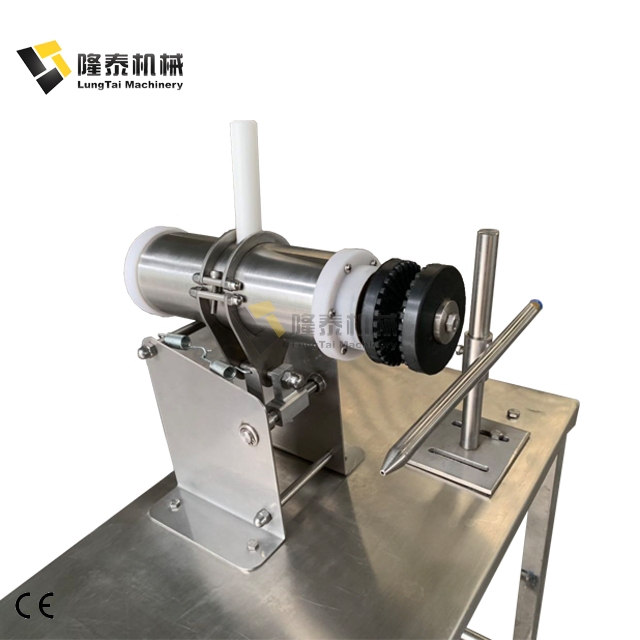
Before you shop around, take a look at LungTai Machinery. Started back in 2004, they’ve built a reputation for practical sausage equipment that fits real production floors. They cover the full range—from pre-treatment grinders and mixers to vacuum sausage fillers, tying units, and post-processing tools like peelers and lifters. Their gear emphasizes clean design, easy maintenance, and smooth integration so your meat grinder sausage filler combo works right out of the box. Plenty of plants rely on them for reliable, no-frills solutions that boost efficient sausage production without breaking the bank.
Integrating a meat grinder with a sausage filler turns a choppy workflow into one clean, fast line. You cut downtime, lock in quality, and push more product out the door every day. From pre-treatment through filling and beyond, the right setup saves labor, protects your meat, and keeps your operation humming. Whether you run a small shop or a growing plant, this approach delivers real gains in speed and consistency. It’s not about chasing trends—it’s about making your daily grind easier and your output stronger.
What exactly is a meat grinder sausage filler combo, and why does it matter for my line?
A meat grinder sausage filler combo links the two machines so ground meat flows straight into the casing without extra handling. It slashes downtime between grinding and filling, keeps temperatures steady, and delivers more consistent links—perfect for anyone chasing efficient sausage production.
How does an integrated meat processing system improve workflow from pre-treatment to post-processing?
It creates one continuous flow. Meat moves from the grinder right into the filler hopper, then on to tying and peeling with minimal stops. You reduce handling steps, cut labor, and keep quality high across the entire line.
Can I retrofit my current setup with a meat grinder sausage filler combo without buying everything new?
Yes, in most cases. Many fillers accept direct mounts from compatible grinders, and add-ons like casing spoolers bolt right on. Check hopper sizes and power ratings to match your existing gear, and you’ll gain big efficiency gains without a full overhaul.
What’s the biggest benefit of reducing downtime between grinding and filling?
You keep meat colder longer, which means better texture and fewer rejects. Plus, your team spends less time moving tubs and more time on actual production—straight-up higher output with less stress.
How do I know if my shop is ready for an integrated meat processing system?
If you’re grinding and filling in separate batches or noticing temperature swings in your links, it’s time. Start small: add a compatible filler to your grinder and watch the flow improve almost overnight.
Do you need more
information?
You are welcome to contact us for further information about our company or products by filling in the form below.
Email: sales@lungtai.com
